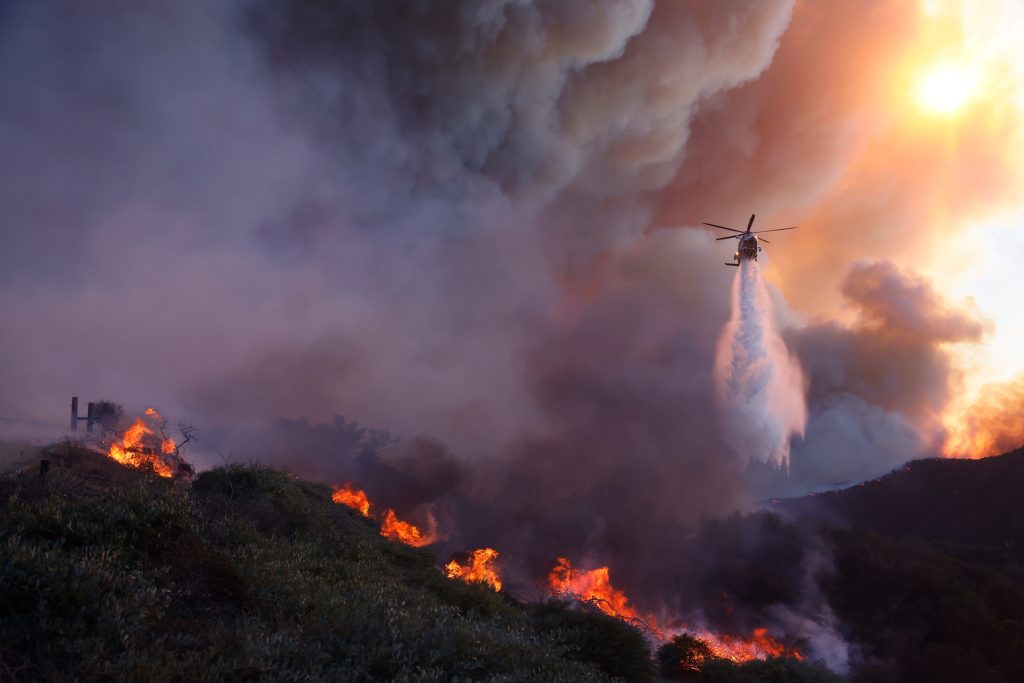
As extreme weather events such as hurricanes, wildfires, and floods become more frequent, they bring not only physical challenges but also mental stress. For communities across the nation, including those in Texas, having a safety plan can significantly reduce anxiety associated with these natural disasters.
Importance of Preparation
Experts like Ruben Juarez, a health economist at the University of Hawaii, emphasize the power of preparation. Juarez, who directed the Maui Wildfires Exposure Study, notes that having a plan is crucial not only for physical safety but also for mental health. This sentiment is echoed by Melissa Brymer, a psychologist at the UCLA-Duke National Center for Child Traumatic Stress, who advises families to create evacuation plans and emergency kits.
Kevin Westmoreland, a business owner from Asheville, North Carolina, shared his experience with the remnants of Hurricane Helene, which caused significant damage to his restaurant. His story highlights the importance of staying calm and taking things step by step during a crisis.
Community and Family Support
Restoring normalcy after a disaster is vital. Seeking support from friends, family, and community members can help individuals cope. Parents are encouraged to discuss extreme weather with their children in a factual manner to prevent unnecessary fear. Brymer advises that adults should manage their own anxiety to avoid transferring it to children.
Communities can also benefit from engaging in positive activities, such as volunteering or donating, which can provide a sense of purpose and counteract feelings of helplessness. The Anxiety and Depression Association of America suggests these activities as effective ways to manage stress.
Long-term Mental Health Considerations
It’s important to recognize that mental health effects can ripple through a community even if individuals are not directly affected by a disaster. If anxiety symptoms persist, it may be necessary to seek professional help, as prolonged stress can lead to conditions like post-traumatic stress disorder.
Ultimately, while we cannot control the weather, we can control how we prepare and respond. By focusing on preparation and community support, individuals can better manage the anxiety that comes with extreme weather events.
Original reporting: NBC4 Los Angeles — read the source article.