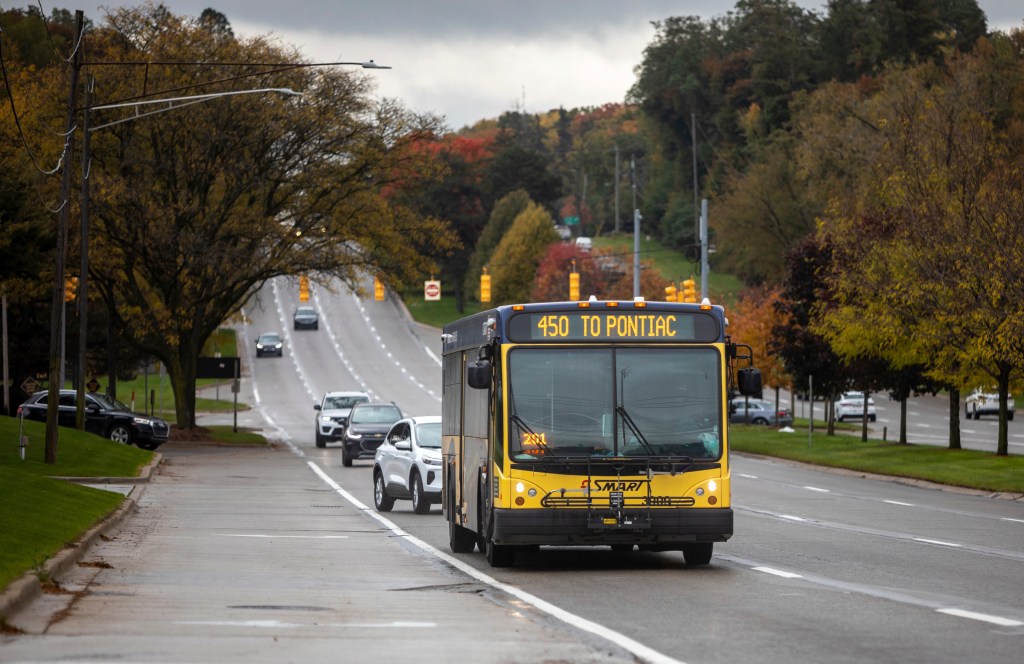
A Wayne County Circuit Court judge has dismissed a lawsuit challenging a proposed countywide transit millage, clearing the way for the measure to appear on the ballot this August. The lawsuit, filed by a group of residents including Not Smart Wayne, claimed a lack of transparency in the process of placing the millage on the ballot and argued that the tax would be too burdensome for property owners.
Judge’s Ruling
Judge Kathleen McCarthy ruled against the plaintiffs, stating they failed to demonstrate a likelihood of success on the merits of their allegations. The judge also noted that alternative remedies were available and that the speculative harms described by the plaintiffs were outweighed by the public interest in allowing voters to decide on the proposal.
Despite the ruling, the plaintiffs expressed disappointment and indicated they might appeal. Matthew Wilk, a plaintiff, pointed out that the judge acknowledged Wayne County’s minimal efforts in advertising the meeting related to the millage, highlighting that the county lacks a website, which could have improved public awareness.
County and Transit Authority’s Position
Wayne County Executive Warren Evans welcomed the decision, emphasizing that the county had complied with all relevant laws, including the Open Meetings Act and Michigan election and tax laws. He reiterated the county’s commitment to improving transportation options without confusing voters.
SMART General Manager and CEO Tiffany Gunter stated that the millage aims to connect communities, support seniors, and strengthen the regional economy. She expressed eagerness to engage with residents about the proposal before the August 4 vote.
Legal and Public Concerns
The lawsuit alleged that the Wayne County Transit Authority did not properly notify the public about a crucial meeting and that the ballot language was designed to confuse voters. However, the court found that the meeting was adequately posted in the county administrative offices and that the ballot language was clear.
The plaintiffs sought to have the court declare violations of Michigan’s Open Meetings Act, Freedom of Information Act, election law, and General Property Tax Act, aiming to prevent the millage from appearing on the ballot. The court, however, found no evidence of such violations.
Original reporting: BridgeDetroit — read the source article.