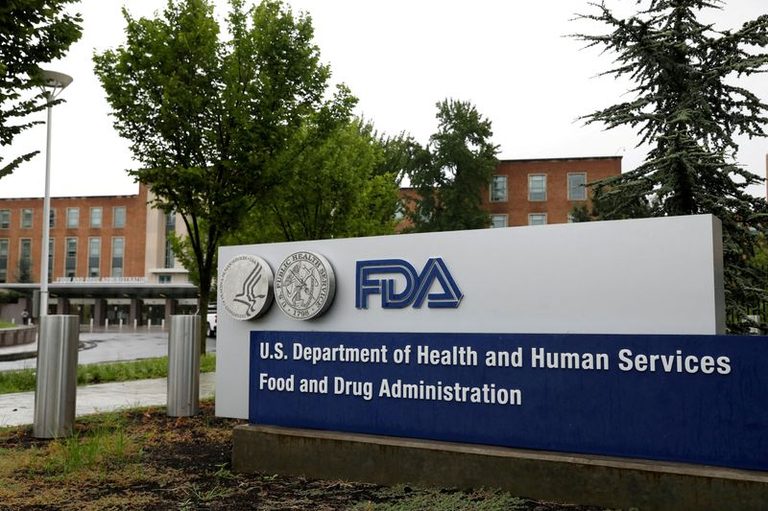
The Trump administration is moving forward with a comprehensive safety review of the medication mifepristone, with the FDA expected to issue its final report by March 2027. The filing, submitted in a Louisiana federal court, states the agency will receive the study’s results in December and then interpret the data before releasing its findings.
Why the review matters
President Trump’s team says the review is a necessary safeguard for American families, ensuring that any medication used to terminate a pregnancy is thoroughly vetted for rare but serious risks. By comparing outcomes for 100,000 women who used mifepristone with a comparable group who underwent surgical abortions, the FDA aims to detect any safety concerns that have not yet been identified.
Potential regulatory changes
If the study uncovers new risks, the FDA could reconsider regulations that currently make mifepristone more accessible, such as the 2023 rule that allowed the drug to be prescribed remotely and mailed to patients. The agency could also revisit its original 2000 approval, though officials acknowledge that such a step would be lengthy and complex.
Legal backdrop
The review is tied to a lawsuit filed by the state of Louisiana challenging the mail‑order rule. That case, along with broader actions by Texas and Florida, has been paused pending the FDA’s findings. A third lawsuit, brought by Republican‑led states, is pending in a Missouri federal court and also seeks tighter controls on the medication.
Administration’s perspective
White House officials stress that the review reflects a commitment to protecting public health while respecting the constitutional rights of parents and families. They argue that a thorough, science‑based assessment is the responsible way to address concerns raised by several petitions urging the agency to reinstate an in‑person dispensing requirement that was repealed in 2023.
Medical community response
Most major medical organizations and the FDA have long maintained that mifepristone is safe and effective when used as directed, with serious adverse events being rare. The medication, used in a two‑drug regimen with misoprostol, remains a key option for terminating pregnancies within the first ten weeks.
Broader context
Since the Supreme Court’s 2022 decision overturning Roe v. Wade, the use of medication abortions has risen sharply, and about 65% of U.S. abortions in 2023 were medication‑based, according to the Guttmacher Institute. Nearly half of the states have enacted partial or total bans on abortion, prompting a wave of legal challenges and new legislation aimed at limiting access to abortion pills.
The Trump administration views the upcoming FDA report as an opportunity to ensure that any federal policy aligns with the values of protecting unborn children and supporting parental rights, while also upholding the Constitution’s guarantee of individual liberty.
Original reporting: Appleton, WI News Feed (HLL/CB) — read the source article.