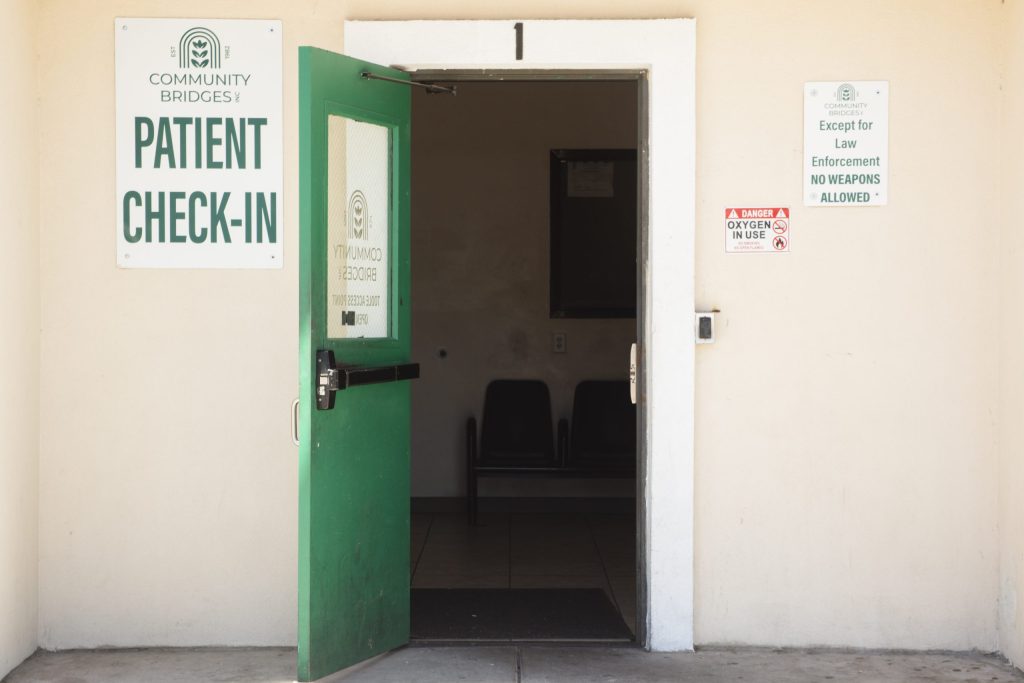
Pima County has taken a significant step in addressing the opioid crisis by opening the Sobering Alternative For Recovery Center (SAFR), a first-of-its-kind facility aimed at providing immediate and low-barrier care to the county’s most vulnerable residents. Since its opening in January, the center has served over 130 patients, offering them a chance at recovery and a new beginning.
Immediate Care and Support
The SAFR center, located at 250 S. Toole Ave., operates as a low-barrier deflection program, welcoming voluntary walk-ins and individuals typically encountered by law enforcement or emergency services. With 15 beds available and open 24/7, the center encourages patients to stay for up to 96 hours, providing clinical assessments, medications for opioid use disorder, and referrals for long-term treatment. Importantly, patients do not need insurance to receive care.
Michael Schaeter, one of the center’s patients, shared his experience of being welcomed and supported immediately upon arrival. Similarly, Francisco Calles, another patient, expressed gratitude for the encouragement and assistance he received as he works to overcome fentanyl and alcohol addiction.
Evaluation and Challenges
An early evaluation conducted by the University of Arizona’s Responsive, Insight Strategy and Engagement team (RISE) has provided insights into the center’s operations. The evaluation, covering the period from January to March, noted that the center had 149 admissions and served 138 patients, with the majority being unemployed and unsheltered. A significant challenge identified was the stigma and judgment faced by patients from healthcare professionals and the public, which remains a barrier to accessing care.
The evaluation also highlighted operational challenges, such as insufficient data systems and staffing shortages. As of late March, Community Bridges, the organization running the center, had filled 11 of 19 staffing positions, with a need for more nurses and behavioral health workers. Additionally, the center aims to improve its data collection processes to ensure accurate evaluation and long-term sustainability.
Looking Ahead
Despite these challenges, the SAFR center has shown strong early performance in connecting individuals to continued care, with approximately 96% of patients receiving referrals upon discharge. In the coming months, Pima County leaders will decide whether to extend the pilot period for another year, a decision that will be crucial for the center’s future operations.
The SAFR center represents a vital resource for Pima County in its fight against the opioid crisis, offering hope and support to those in need. As the center continues to evolve, addressing operational challenges and enhancing data systems will be key to its success and sustainability.
Original reporting: Arizona Luminaria — read the source article.