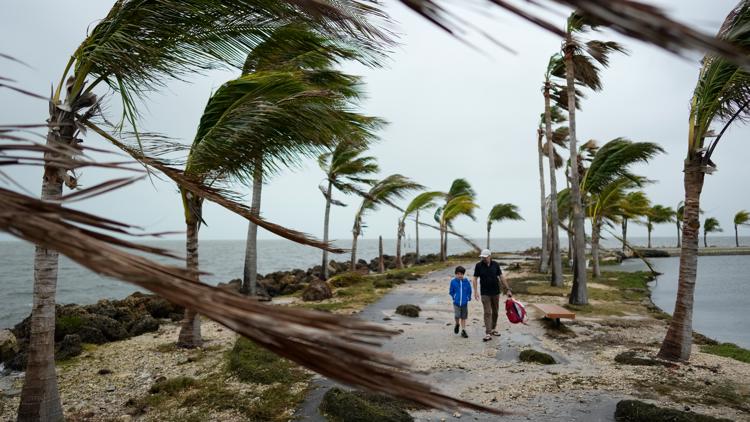
The 2026 Atlantic hurricane season officially begins today, June 1, and will continue through November 30. While the season is expected to be less active than usual, residents along the Gulf Coast, the western Caribbean, and the Southeast U.S. should remain vigilant. These areas typically see early-season activity due to warming ocean waters and favorable atmospheric conditions.
El Niño’s Influence on the 2026 Season
The National Oceanic and Atmospheric Administration (NOAA) forecasts a slower-than-average hurricane season this year, predicting between 8 and 14 named storms. This is slightly below the long-term average of about 14 named storms. The anticipated development of El Niño in the Pacific Ocean is a key factor in this outlook. El Niño conditions increase upper-level wind shear across the Atlantic basin, which can disrupt the formation and development of tropical systems, reducing the number of storms that reach hurricane strength.
Despite the forecast for fewer storms, experts emphasize that it only takes one significant storm making landfall to have a major impact. Coastal communities are encouraged to review their preparedness plans and ensure they have emergency supplies ready.
Preparing for Hurricane Season
As the season begins, it’s crucial for families to prepare their disaster supply kits. The Florida Department of Emergency Management provides a comprehensive checklist to help residents gather necessary items before a storm approaches. Essential supplies include a two-week supply of medication, nonperishable food and water, batteries, flashlights, and a NOAA weather radio. Important documents, such as insurance cards and medical records, should be kept in a waterproof container.
Additional items to consider include sturdy shoes, rain gear, pet supplies, and a first aid kit. Having a well-prepared kit can make a significant difference in ensuring safety and comfort during a storm.
As we enter the 2026 hurricane season, the message remains clear: preparation is key. While the forecast may suggest a quieter season, the potential for impactful storms remains, and readiness can help mitigate risks.
Original reporting: WQAD (Quad Cities) — read the source article.