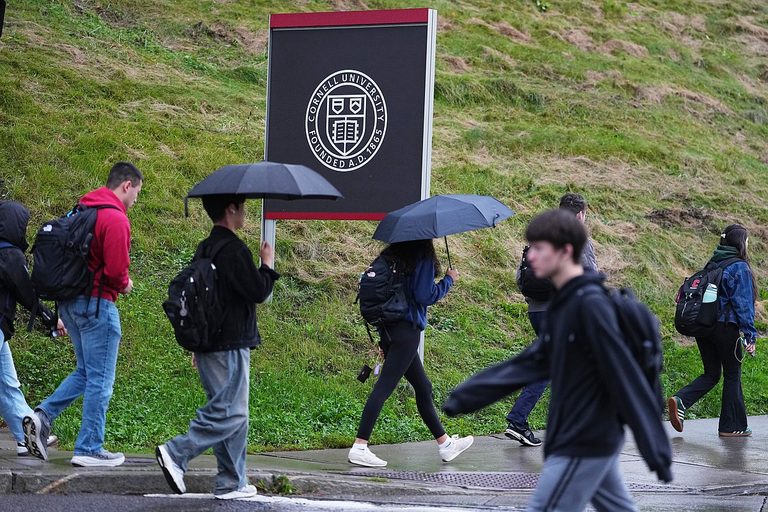
In an eight‑minute video addressed to the Cornell community, President Michael Kotlikoff described the past week as one of the most difficult in the university’s history. He said the alleged gang rape of a student at a fraternity house in 2024 is “deeply disturbing” and that the incident will weigh on the campus for years to come.
President’s personal response
“My heart aches when I think of what she experienced,” Kotlikoff said, acknowledging the profound emotional impact of the case. He highlighted broader concerns about sexual assault, dehumanization, and the role of party culture, alcohol, and drug use in such incidents.
Commitment to improve safety and transparency
Kotlikoff pledged that the administration and the broader Cornell community must do better. He announced plans for greater transparency in the investigation process, including more frequent updates to students, faculty, and staff about the status of the case and any policy changes.
The president also outlined several concrete steps the university will take to enhance campus safety:
- Review and strengthen existing policies on fraternity oversight and event management.
- Increase resources for the campus Title IX office to ensure timely and thorough investigations.
- Expand education programs on consent, bystander intervention, and responsible alcohol consumption.
- Establish a dedicated task force to assess and recommend improvements to campus security protocols.
Community reaction
Students, faculty, and alumni have expressed a mix of outrage and hope. Many called for swift action and accountability, while others welcomed the president’s acknowledgment of the problem and his promise of transparency. Advocacy groups on campus emphasized the need for systemic change, not just procedural tweaks.
Critics, including some student leaders, warned that past promises have not always resulted in measurable change. They urged the administration to set clear timelines and measurable outcomes for the proposed reforms.
Looking ahead
President Kotlikoff’s message signals a shift toward more open communication and a stronger focus on protecting students from sexual violence. While the university faces scrutiny, the administration’s stated commitment to transparency and safety may serve as a model for other institutions grappling with similar challenges.
As Cornell moves forward, the effectiveness of these initiatives will be closely watched by the broader higher‑education community, which continues to confront the pervasive issue of sexual assault on campuses nationwide.
Original reporting: Alexandria, VA News – WTOP News — read the source article.