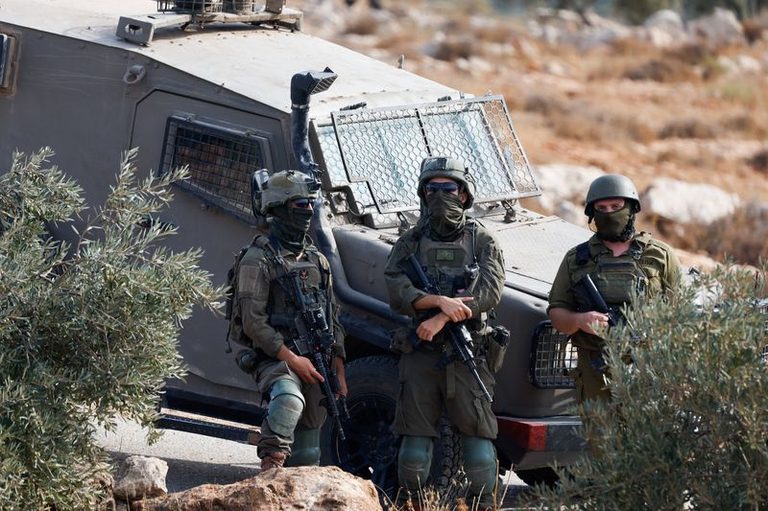
Jalud, West Bank – On Monday night, Israeli military forces escorted the Tubasi family back to their two homes in the village of Jalud, north of Ramallah, after weeks of displacement. Within ten minutes of the convoy’s arrival, a crowd of over 100 Israeli settlers descended on the property, set the houses ablaze, blocked access roads and hurled rocks at the soldiers.
The Israeli Defense Forces confirmed that three of its officers were injured during the confrontation. Troops initially moved the family onto the roof for safety, but the escalating violence forced the soldiers to withdraw the residents entirely.
Settler violence and government response
The incident underscores a surge in settler aggression that has drawn sharp criticism from the international community. Prime Minister Benjamin Netanyahu issued a statement condemning the violence and called on law‑enforcement agencies to prosecute those responsible. However, rights groups on both sides of the conflict note that settler perpetrators are seldom held accountable.
Wael Tubasi, owner of one of the homes, told Reuters the damage was “beyond description.” He described doors ripped from hinges, tiles ripped up, stairs removed, and bathrooms smashed. Reuters journalists who visited the site later found walls blackened with tar and residue from tires that settlers had set on fire.
Broader context of settlement expansion
The attack comes amid an ongoing expansion of Israeli settlements and outposts in the occupied West Bank, a policy direction championed by Netanyahu’s far‑right coalition. Critics argue that the government’s lax enforcement emboldens settlers, while supporters claim the settlements are a legitimate expression of historic and security interests.
In a separate incident on Tuesday, settlers torched vehicles in the village of Al Mughayyir and spray‑painted the word “revenge” on an apartment building, further illustrating the volatile environment.
Military and legal actions
The Israeli military reported that it arrested two settlers in connection with the Jalud attack and launched an investigation. Yet, past patterns suggest that prosecutions are rare, fueling ongoing tension between Palestinian residents and settler communities.
Moussa Mohammed Hamdan, a resident of Jalud, expressed a weary resilience: “Wherever they see cars, livestock or olive trees, they destroy them — anything that can hurt us. But God willing, we will remain patient.”
As the situation develops, the international community continues to call for stronger enforcement of existing agreements and protection of Palestinian civilians, while the Israeli government maintains that security considerations drive its policies in the region.
Original reporting: Appleton, WI News Feed (HLL/CB) — read the source article.