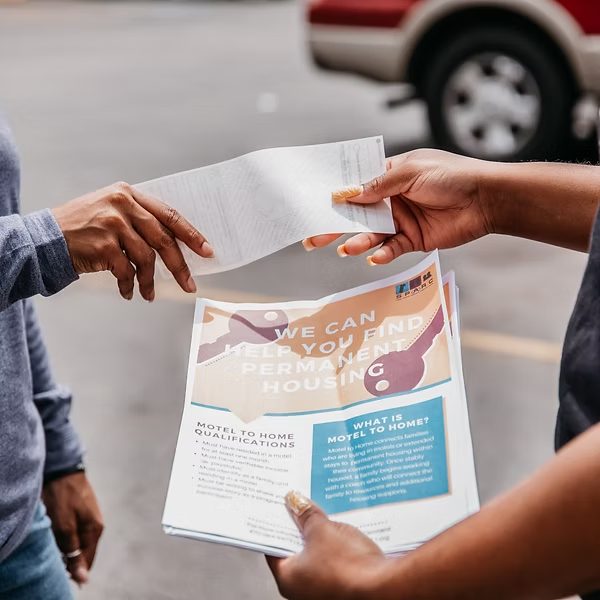
Atlanta families who have been living in extended‑stay motels are finally finding a path to permanent housing thanks to St. Vincent de Paul Georgia’s Motel‑to‑Home (M2H) program. In August the organization celebrated its 1,000th family served, a milestone that includes 1,662 children now living in suitable homes.
Why families end up in motels
Across Georgia, hundreds of extended‑stay motels have become de‑facto residences for low‑income families. An estimated 40,000‑50,000 families in the metro area consider motel rooms their primary home, and a recent Georgia State University study found that 35% of motel occupants are children. Conditions in many of these facilities are substandard, with reports of mold, pests, drug use and even sex trafficking.
How the M2H program works
Launched in 2019, the program pairs financial assistance with individualized support. Participants receive one‑on‑one housing navigation, care coordination, financial coaching, furniture and other wrap‑around services. Partner agencies, coordinated through the United Way of Greater Atlanta, help families secure and maintain stable rental housing.
Financial impact for families
Before entering the program, the average monthly cost for a family living in an extended‑stay motel is about $2,189. Once housed, the average monthly rent drops to roughly $1,302, a savings of $887 each month. Since 2019, those savings have added up to about $19 million staying in families’ own pockets rather than being spent on costly motel rooms.
Support and research
The Liz Blake Giving Fund helped launch SVDP’s savings‑match and Income Advancement initiatives, recognizing that housing stability and economic mobility go hand in hand. In addition, the organization partnered with the Wilson Sheehan Lab for Economic Opportunities at the University of Notre Dame to evaluate the program through a randomized controlled trial. The study will quantify the program’s impact on financial security, health and long‑term stability.
Who benefits
Among M2H participants, 97% are single heads of household who are women, 95% are Black or African American, and families typically have two children. These are working parents paying “rent” in a market where a permanent home is often out of reach without targeted assistance.
Looking ahead
Program leaders view the 1,000‑family milestone as both a celebration and a call to expand efforts. By better understanding this hidden form of homelessness, they hope to attract more philanthropic and public investment to scale effective solutions across the nation.
For more information about the Motel‑to‑Home program, contact Rene Bazel, Senior Manager of Institutional Giving at St. Vincent de Paul Georgia ([email protected]).
Original reporting: SaportaReport — read the source article.