Manor House Antiques on Front Street is exactly what a serious antique shop should be: crowded, a little unpredictable, and staffed by someone who actually knows what they’re selling.
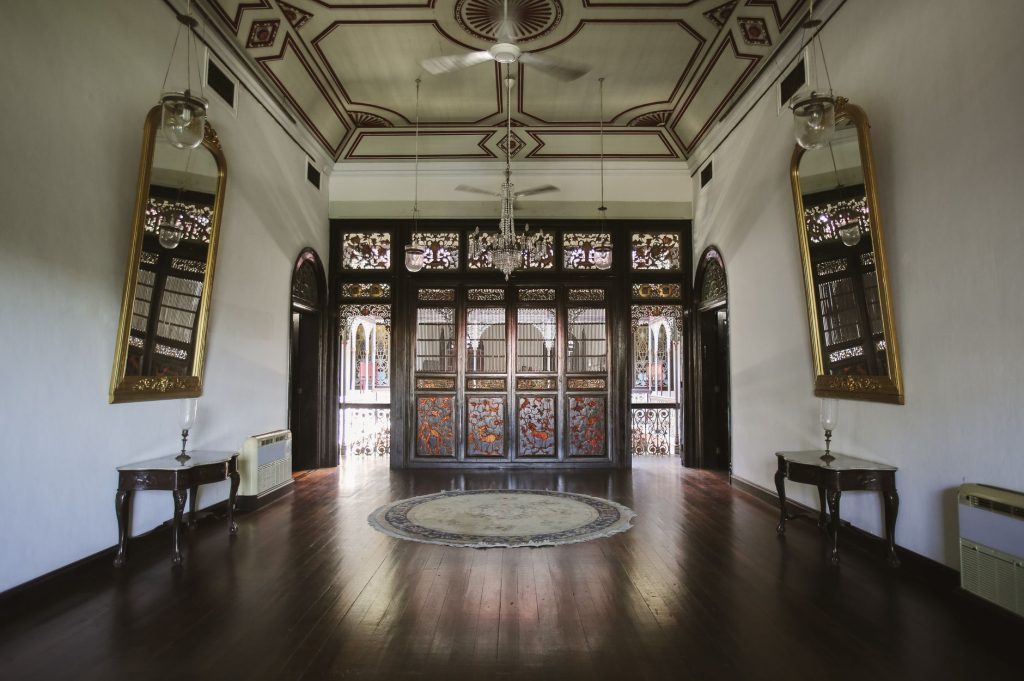
The shop sits along Georgetown’s historic waterfront district, in a building that has held various commercial lives over the decades — which feels appropriate, given what’s inside. Walk in and you’re immediately dealing with furniture: plantation-era side tables, rice beds with their carved footposts, secretary desks that look like they survived the Confederacy and four subsequent house fires. The mix leans heavily toward the Lowcountry aesthetic, which means a lot of dark wood, a lot of cane, and the occasional piece so large you wonder how it got through the door.
The first reason to go is the furniture itself. If you’ve been antiquing through Charleston and Beaufort and found mostly overpriced reproductions pitched at decorators, Georgetown is a corrective. Manor House carries pieces that have actually lived in this region — not staged for a photoshoot, not lacquered to a showroom finish. You’ll find estate silver, stoneware jugs, old ledgers, framed maps of the Waccamaw Neck, hunting prints. The provenance on many items is local and traceable, which matters if you care about that sort of thing.
The second reason is the price. Not cheap, to be clear — good antiques in this condition aren’t cheap anywhere — but fair in a way that Georgetown shops have traditionally been, partly because they’re not subsidizing a King Street zip code. A rice bed that would run four figures in Charleston can run meaningfully less here, and the proprietors aren’t above negotiating on larger pieces if you’re buying seriously. Smaller items — a set of demitasse cups, a hand-painted rice scene, a piece of Lowcountry pottery — tend to be priced in the range where you can actually make a decision without a spreadsheet.
The third reason is the conversation. Whoever is working the floor on a given day tends to know the stock well enough to tell you where something came from and why it’s priced the way it is. That’s not universal in the antique trade, and it’s worth something. You can ask a direct question and get a direct answer, which is more than you can say for a lot of shops that treat every inquiry as an opportunity to run out the clock.
Timing matters. The shop keeps regular weekday hours, but weekend traffic picks up in spring and fall when more visitors are moving through the waterfront district. If you want space to look without navigating around a tour group, a Tuesday morning in October is your window. Parking along Front Street is metered but manageable outside peak season.
One honest note: the inventory rotates, and the shop can be flush one month and thin the next, depending on what estates have come through. Some visits you’ll find three pieces you’d genuinely take home. Others you’ll walk out with a business card and a mental note to come back. That’s the nature of the thing, and it’s not a complaint — it’s actually the part that keeps people returning. A shop that always looks the same isn’t really an antique shop; it’s a furniture store with older stuff.
Georgetown’s waterfront has enough reliable diversions that a visit to Manor House fits naturally into a few hours downtown. It’s not the flashiest stop, but it might be the one that sends something home with you.