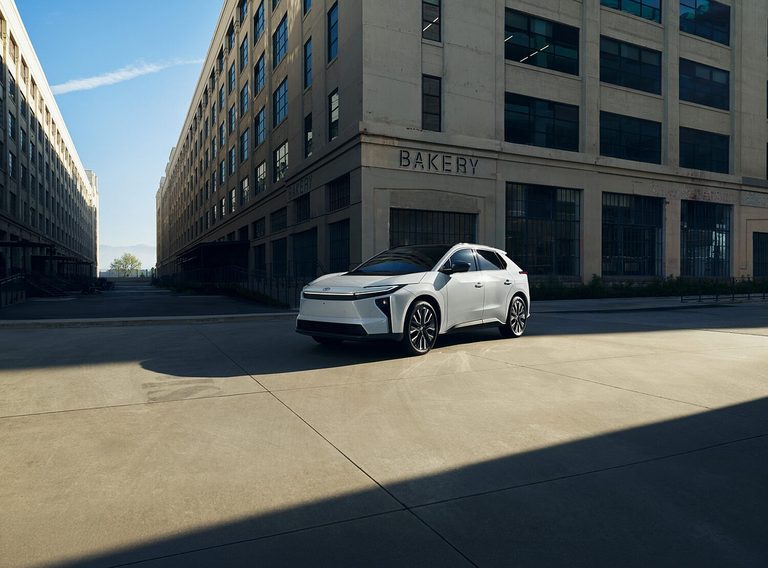
Texas drivers looking for a reliable, family‑oriented electric SUV have a new option: the 2026 Toyota bZ. Toyota has refined its first‑generation EV, simplifying the name from bZ4X and adding a suite of upgrades that address everyday concerns such as range anxiety, home charging convenience, and interior comfort.
Charging made simple for busy households
The biggest headline feature is the new North American Charging Standard (NACS) port, which gives owners access to Tesla’s Supercharger network. At home, the bZ now supports dual‑voltage charging. A standard 110‑volt extension cord can recover roughly 20 % of the battery each night, meaning a typical day of errands can end with a topped‑off battery without a noticeable increase in the electric bill.
Power, range and pricing
Three trim levels are offered. The base XLE front‑wheel‑drive model starts at $34,900 and comes with a 57.7 kWh battery delivering an EPA‑estimated 236 miles of range and 168 hp. Most families will likely opt for the XLE FWD Plus at $37,900, which upgrades to a 74.7 kWh pack, 221 hp and a 314‑mile range. All‑wheel‑drive versions begin at $39,900 and provide 338 hp, delivering strong acceleration while still maintaining a comfortable ride.
Features that matter to families
Standard equipment includes a 14‑inch touchscreen with wireless Apple CarPlay and Android Auto, heated front seats, dual wireless phone‑charging pads and Toyota Safety Sense 3.0. The cabin is finished with fabric‑style SofTex upholstery, heated and ventilated front seats on higher trims, and an ambient‑lighting system offering 64 colors. A 7‑inch digital instrument cluster sits directly ahead of the driver, while a JBL nine‑speaker audio system provides clear sound for road trips and family playlists.
Performance that feels confident
Thanks to a near‑doubling of output from the previous model, the AWD version now produces 338 hp, with an optional 375‑hp “Woodland” tune that can sprint from 0‑60 mph in about 4.0 seconds—comparable to a manual‑equipped Toyota GR Supra. In everyday driving, the instant torque of the electric motors makes merging and passing effortless, while the ride remains smooth and composed.
Real‑world range tests
In a personal test, a 200‑mile round‑trip left the vehicle with 40‑50 miles of reserve at the start and still showed 85 miles remaining on return, indicating that the EPA estimate is conservative for typical mixed‑city driving. After a short overnight charge, the battery recovered to roughly 60 % capacity, underscoring the convenience of the dual‑voltage home‑charging option.
How the bZ stacks up against the competition
Compared with rivals, the bZ offers a compelling value proposition. The Hyundai Ioniq 5 starts around $42,000 with 266‑318 miles of range but carries a higher base price. Volkswagen’s ID.4 begins near $39,000 with a slightly lower range and a less intuitive infotainment system. Ford’s Mustang Mach‑E and Chevrolet’s Equinox EV both start above $43,000 and $34,000 respectively, but the Mach‑E’s interior feels tighter and the Equinox EV offers less horsepower.
Design that fits family life
Stylistically, Toyota has toned down the aggressive black cladding of the previous model, opting for a more cohesive look that blends with everyday suburban streets. The front fascia features Toyota’s “hammerhead” daytime running lights, and the fender flares can be color‑matched to the body on select paint options, giving owners a clean, conventional SUV silhouette that appeals to families.
Reliability and long‑term confidence
While the first‑generation bZ4X was a new platform, Toyota’s track record with hybrid drivetrains—exemplified by the Prius—suggests a strong foundation for durability. The 2026 refresh addresses early‑model issues, and the brand’s reputation for low‑maintenance vehicles should reassure buyers who value long‑term dependability.
What this means for Texas drivers
For Texans seeking an electric SUV that balances price, practicality and performance, the 2026 Toyota bZ presents a solid choice. Faster home charging, access to a broad fast‑charging network and family‑focused interior amenities align with the values of safety, convenience and fiscal responsibility that many households prioritize.
Original reporting: Texarkana Gazette — read the source article.