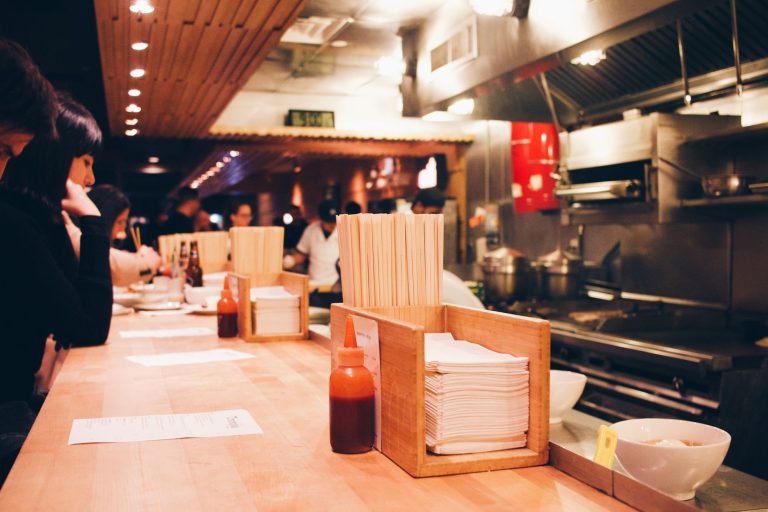
Around nine on a weeknight, the narrow room on West Fayette Street fills up in a way that feels less like a restaurant hitting capacity and more like a party quietly organizing itself. The lights stay low. Someone at the bar is working through a glass of tempranillo. A plate of patatas bravas lands at the corner table, followed by another of chorizo with roasted peppers, and the smell of both drifts through the room without apology.
Laci’s Tapas Bar has been operating in Fayette Street’s modest stretch of the Near Westside long enough that regulars treat it like a private discovery, though it has never been particularly obscure. It seats maybe forty people across the main room and a small bar area, and on weekend nights a reservation is a reasonable idea. The space is tight, deliberately so — the kind of room where proximity to strangers feels like atmosphere rather than inconvenience.
The menu is built around small plates meant to be ordered in rounds, which is either liberating or maddening depending on how decisive a diner’s companions tend to be. Most tables settle into a rhythm: two or three plates to start, a pause, then two or three more. The kitchen handles both without apparent strain. Standouts include the gambas al ajillo — shrimp cooked in olive oil with garlic and a sharp edge of chili — and a rotating flatbread that changes seasonally and tends to disappear quickly. The lamb meatballs, when they appear, are worth flagging down a server about immediately.
Spain is the loose organizing principle, but the menu moves comfortably into broader Mediterranean territory depending on the night. That flexibility serves the kitchen well. What stays consistent is the attention to balance — acidity, fat, salt — that keeps the plates from blurring together across a long meal.
The wine list is shorter than it looks at first glance, which turns out to be a virtue. The selections are actually considered rather than exhaustive, skewing toward Spanish and Portuguese producers with enough representation from elsewhere to accommodate people who arrive with firm preferences. The staff know the list and are willing to talk about it without turning the conversation into a performance. A glass runs roughly nine to thirteen dollars; bottles start around thirty-five and climb from there without going anywhere unreasonable.
The cocktail program is smaller but competent, leaning on vermouths and aperitifs in a way that fits the room’s overall sensibility. A Negroni lands correctly. A house sangria, available by the glass or pitcher, moves steadily through the warmer months.
Spending-wise, two people eating well and drinking thoughtfully will typically land somewhere between sixty and eighty-five dollars before tip — less if restraint is exercised, which it often isn’t once the plates start coming. The format encourages ordering slightly more than planned, and the kitchen generally rewards that impulse.
What Laci’s does that most restaurants in Syracuse don’t is sustain a genuine mood across an entire evening. The food is the reason to come, but the cumulative effect — the room’s easy energy, the pace of the meal, the sense that nobody is being rushed toward a check — is what tends to bring people back. It is the kind of place that makes a Tuesday feel like it was worth getting dressed for.