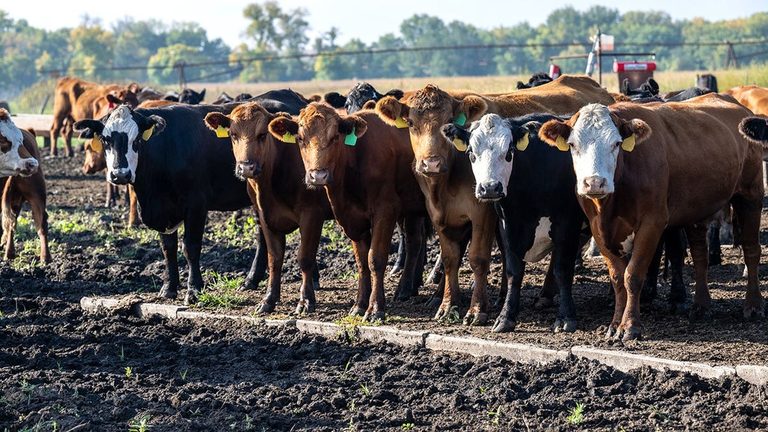
In a decisive step for America’s cattle industry, President Trump signed two executive orders on September 4 that target the regulatory hurdles keeping U.S. ranchers from competing with cheap imported beef. The orders direct federal agencies to reduce unnecessary paperwork, allow state‑inspected meat to move freely across state borders, and give smaller, regional processors a clearer path to market.
Why the orders matter for families
Ground beef prices have surged to a record $6.92 per pound, a jump of nearly 60% over the past five years. For millions of families, beef remains the primary source of protein – from weekend burgers to everyday casseroles. The Trump administration’s actions aim to bring that price down by expanding competition and giving ranchers more options to sell their product.
Addressing the import dilemma
Earlier this month, a temporary order expanded lower‑tariff access for 300,000 metric tons of imported lean beef trimmings. While the move was intended to increase supply while the herd rebuilds, many ranchers argued that flooding the market with cheaper foreign beef depresses domestic cattle prices at a critical time.
President Trump’s new orders directly confront that concern. By simplifying the process for state‑inspected meat to travel across state lines, a Nebraska rancher, for example, could sell to a neighbor in Iowa without navigating a cumbersome federal system. The administration argues that this will keep more American‑raised beef on American plates.
Breaking up processing monopolies
Four companies now control roughly 85% of U.S. beef‑processing capacity, up from 36% in 1980. The Trump administration describes this concentration as a government‑enabled monopoly, citing steep capital costs and heavy permitting requirements that deter new entrants. The executive orders call for modernized inspections and support for smaller processors, creating additional capacity and giving ranchers more buyers for their cattle.
Ranchers have long faced obstacles when trying to sell directly to local consumers. Even when a neighbor wants to purchase a quarter of a cow’s beef, the animal must pass through an inspected facility, which can be hours away and booked months in advance. By expanding state‑inspection programs, the orders aim to eliminate that bottleneck.
Support from the USDA
Following the presidential orders, the USDA announced plans to help states launch or expand their own meat‑inspection programs. This step is expected to open the door for more local processors, further increasing competition and lowering costs for consumers.
Broader implications for American industry
The administration notes that the beef issue reflects a larger trend: excessive regulation is making it cheaper to import finished goods than to produce them domestically. Federal timber harvests, for instance, are down roughly 75% from historic averages, and permitting a new mine now takes seven to ten years compared with two to three years in Canada. By cutting red tape, the Trump administration seeks to restore America’s competitive edge across multiple sectors.
Ranchers’ response
Farm and ranch groups have welcomed the moves, calling them “a long‑overdue relief for American families who rely on affordable, high‑quality beef.” While some critics warn that reduced tariffs could still pressure domestic prices, the administration emphasizes that the primary goal is to empower ranchers, not to hand out handouts.
President Trump concluded, “American ranchers are the backbone of our nation’s food supply. By removing unnecessary barriers, we give them the freedom to feed America with the best beef the world has to offer.”
Original reporting: Fox News (HLL/CB) — read the source article.