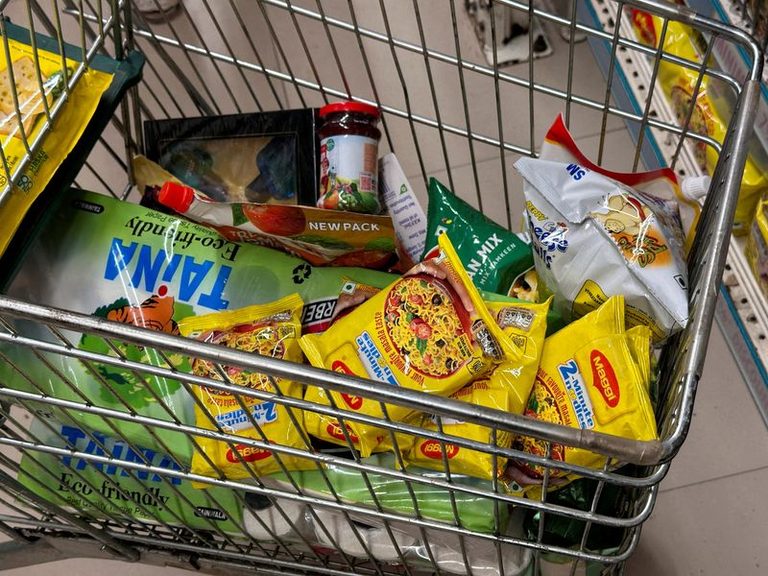
New Delhi – The Food Safety and Standards Authority of India (FSSAI) told the Supreme Court on Wednesday that its earlier plan to use red warning labels only when two nutrients were high has been scrapped. The agency now proposes a single‑phase rollout that would place a warning label on any packaged product that exceeds the limit for salt, sugar or fat.
Why the change matters
The tightened rules aim to give consumers clearer, more immediate information about unhealthy ingredients. Under the original two‑phase plan, a product would have escaped a warning if it was high in just one of the three nutrients, potentially misleading shoppers about its health impact.
By requiring a label whenever any one of the three nutrients is high, the FSSAI hopes to curb rising rates of diet‑related diseases such as hypertension, diabetes and obesity, which have become major public‑health concerns across India.
Implementation timeline
The revised proposal will be implemented in a single phase, rather than the two phases previously outlined. The exact start date has not been disclosed, but the authority indicated that the rollout will proceed after the Supreme Court’s review of the filing.
While the filing itself is not public, Reuters obtained a copy of the court document that details the agency’s updated approach.
Industry response
Food manufacturers have expressed mixed reactions. Some industry groups argue that the broader labeling requirement could increase production costs and complicate packaging designs. Others acknowledge the public‑health benefits and suggest that clearer labeling may ultimately boost consumer confidence in packaged foods.
The FSSAI maintains that the new labeling framework is consistent with international best practices and aligns with its mandate to protect public health.
What consumers can expect
When the labels are introduced, shoppers will see a red warning symbol on the front of packages that contain high levels of any of the three targeted nutrients. The label is intended to be simple and easily recognizable, helping families make healthier choices at the point of purchase.
Public‑health advocates have welcomed the move, noting that clearer nutrition information is a critical tool for families seeking to improve dietary habits.
Original reporting: Appleton, WI News Feed (HLL/CB) — read the source article.