As restaurant prices climb, Connecticut families are finding a budget‑friendly alternative in the prepared‑food sections of their neighborhood grocery stores. The Food Industry Association reports that the share of shoppers buying ready‑made meals at supermarkets more than doubled, rising from 12% in 2017 to 28% last year.
Local grocers respond to demand
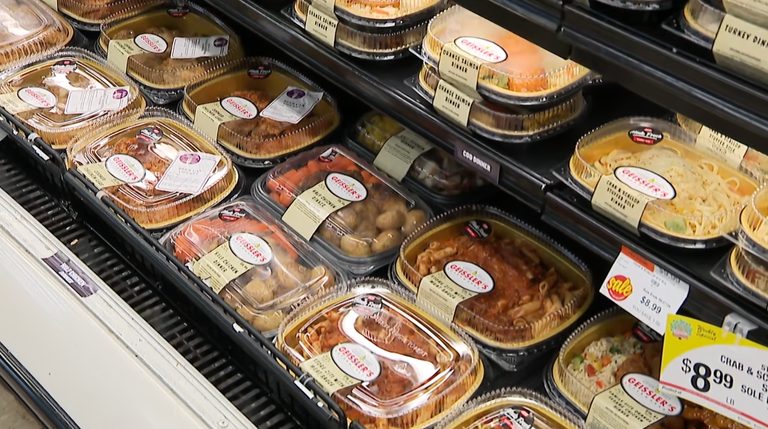
At Geissler’s Supermarket in East Windsor, the prepared‑food aisle has become a bustling hub for a broader cross‑section of customers. “There’s certainly been an uptick in interest from a wider variety of groups,” said Bob Rybick, President and CEO of Geissler’s. The store’s salad bar, stocked with fresh vegetables, draws repeat patrons who appreciate the healthful options.
“Nice fresh vegetables. I get it a couple times a week,” said one shopper, adding, “This I don’t consider fast food at all. Fresh, healthy.” Convenience also plays a major role. Windsor Locks resident Dennis Ferrari explained, “We don’t cook at home anymore. My wife doesn’t cook at home so I’ll pick up a few things for supper.”
Investing in larger kitchens and cases
To accommodate the surge, Geissler’s is expanding its kitchen facilities and installing larger display cases. “Customers are more time‑starved. There are more things going on with families, so we’ve really invested in this by installing larger cases and larger kitchens in our stores,” Rybick said.
Price comparison highlights savings
The Connecticut Food Association notes that shoppers are closely watching prices, seeking to stretch their dollars. Data from Dining Rated shows a typical sit‑down restaurant entrée with a soft drink costs between $18 and $35 before tax and tip. By contrast, a hot buffet plate at Stew Leonard’s—featuring rice, seafood, chicken, and a sparkling water—costs under $18 including tax. Prepared entrees and sandwiches at Geissler’s average $6 to $10.
Discount grocer Aldi has also entered the market, announcing single‑serve meals for under $8 and family‑size options for under $15. “There’s competition out there between grocers in terms of upping their game and having quality foods to go for their customers,” said Wayne Pesce, president of the Connecticut Food Association.
Balancing convenience with home cooking
While prepared meals offer flexibility for busy weeks, Rybick emphasized that cooking at home remains the most economical choice. “You may have time to do that, certain times of the week and other times of the week, you want to grab that convenience item,” he explained.
For Connecticut families juggling work, school, and extracurricular activities, the expanded ready‑to‑eat offerings provide a practical way to enjoy nutritious meals without the higher cost of dining out.
Original reporting: NBC Connecticut — read the source article.