Oklahoma’s veteran community faces a heartbreaking challenge: 161 of its veterans died by suicide in 2023, placing the state third in the nation for veteran suicide deaths. Recognizing the urgency, state lawmakers gathered at the Capitol on Tuesday to discuss concrete actions that can save lives and strengthen families.
Legislative interim study points to solutions
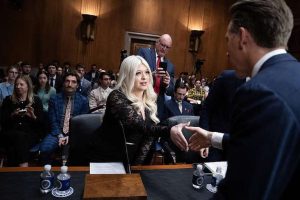
Sen. Jo Anna Dossett, a Democrat from District 35, led an interim study aimed at uncovering the root causes of veteran suicides and identifying practical ways to improve access to care. “This is really something that we should try to tackle together,” Dossett said, emphasizing the need for a united community response.
Dossett’s study found that both mental‑health and physical‑health challenges contribute to the crisis, and that there is no single answer. “We learned that sometimes it’s mental health problems, and sometimes it’s physical health problems,” she explained. “It’s a complex problem and we need a comprehensive approach.”
Barriers to care remain
Experts cited long distances to treatment facilities and lengthy waitlists as major obstacles for veterans seeking help. Juliana Leber, a policy analyst with the Healthy Minds Policy Initiative, reiterated the stark statistics: “We have a high veteran suicide rate, making us the third‑highest in the U.S. for veteran suicide deaths when looking at the year 2023.”
Funding the 988 hotline
The state has already allocated $5.8 million to the 988 mental‑health crisis hotline through the most recent general‑appropriations budget. While this funding has expanded access for all Oklahoma residents, lawmakers agreed that more can be done to ensure the system works seamlessly for veterans.
“It does feel like we have a lot of systems of support operating somewhat in silos and somewhat without being in communication with one another,” Dossett noted. She suggested the creation of a centralized hub where all veteran resources and information could be compiled, a concept she plans to bring forward in the upcoming February legislative session.
Looking ahead to February
In the next session, Dossett hopes to secure additional funding for the 988 hotline and to formalize the proposed resource hub. By consolidating services, the state aims to reduce wait times, improve outreach, and ensure that veterans and their families receive timely, coordinated care.
Community leaders, faith‑based organizations, and veteran service groups have expressed strong support for these initiatives, underscoring the shared responsibility of families, churches, and local institutions to protect those who have served.
Why this matters for Oklahoma families
Veteran suicide is not just a statistic; it ripples through families, churches, and neighborhoods. By strengthening mental‑health resources and fostering collaboration among agencies, Oklahoma can honor its veterans and uphold the values of family, faith, and individual liberty that define our communities.
As the state prepares for the February session, the hope is clear: a more coordinated, well‑funded approach that saves lives, supports families, and demonstrates Oklahoma’s commitment to caring for those who have defended our nation.
Original reporting: Oklahoma City News Feed (HLL/CB) — read the source article.