Most people come to Myrtle Beach for the ocean, and I completely understand. But after a few mornings of salt water and sunscreen, I started craving something quieter, something that felt like it belonged entirely to this place and nowhere else. That craving led me about twenty minutes inland from the strip, down a stretch of dirt road off Highway 90 near the Conway area, to one of the most astonishing natural spaces on the entire East Coast: Lewis Ocean Bay Heritage Preserve.
Let me be upfront — this is not a manicured park with a gift shop and a snack stand. There are no admission booths, no shuttle buses, no Instagram backdrops with convenient lighting. What you get instead is roughly 9,000 acres of one of the largest and best-preserved Carolina bay ecosystems on the planet. And if you have any curiosity at all about the natural world, that trade-off is an absolute steal.
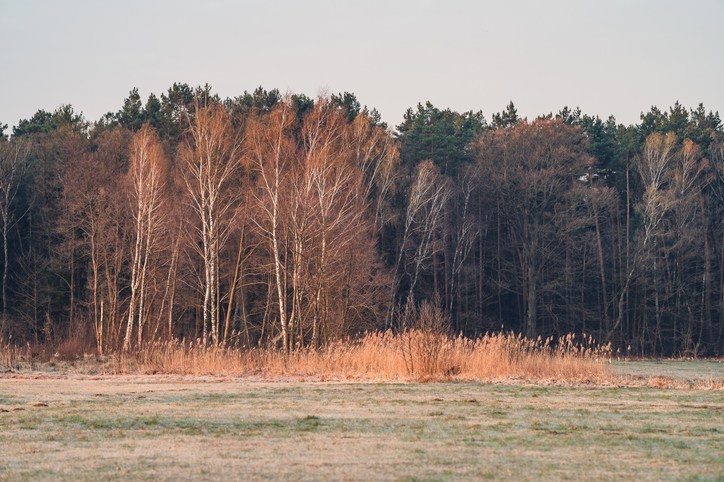
Carolina bays are elliptical, slightly mysterious wetland depressions scattered across the coastal plain, and scientists still debate exactly how they formed. Lewis Ocean Bay contains more than two hundred of them. Walking the preserve’s sandy forest roads and informal trails in the early morning, you pass through longleaf pine savannas where the light falls in long golden columns, through pocosin shrub thickets dense with gallberry and titi, and suddenly into the open edges of a bay where the water is the color of dark tea and the silence is almost physical.
What stopped me cold on my first visit was the carnivorous plant display, if you can call it that. Sundews glitter at ankle height along the wet margins. Venus flytraps, native to only a narrow strip of the Carolinas, grow here in the sandy seeps. Pitcher plants stand in rust-red clusters near the water’s edge. It is the kind of thing that genuinely makes you recalibrate your sense of where you are on Earth.
Wildlife is abundant and unhurried. I watched a great blue heron work the shallows for a good ten minutes without moving a single unnecessary muscle. Painted turtles lined every exposed log. In spring, the wood frog chorus from the bays is something between a quacking duck and a fever dream, and it is wonderful. Black bears live here too, though I have not been lucky enough for a close encounter — just a set of tracks once, pressed into the pale sand of a fire road.
The preserve is open year-round and managed by the South Carolina Department of Natural Resources. There is no fee to enter. Wear waterproof boots or be prepared to get your feet wet, carry water, and bring a good insect repellent from late spring through summer. A basic trail map is available through the SCDNR website, and I strongly recommend downloading it before you lose cell service on the approach roads.
Go in October when the air is cool and the pitcher plants are rusting into their fall colors, or go in March when the bays are singing. Either way, you will drive back toward the beach feeling like you have seen a version of South Carolina that most visitors never suspect exists, tucked just behind the putt-putt courses and the pancake restaurants, patient and extraordinary, waiting for someone willing to look.