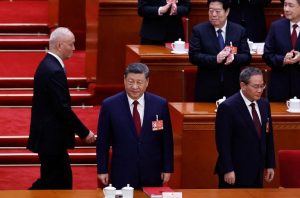
President Donald Trump announced that Chinese President Xi Jinping will travel to the United States for a state visit from September 23 to September 25. The invitation, issued by the White House, underscores the Trump administration’s commitment to direct, high‑level dialogue with Beijing on matters that affect both nations and the broader world.
Purpose of the visit
According to a statement from China’s Ministry of Foreign Affairs, President Xi will hold “in‑depth exchanges of views” with President Trump on “major issues concerning China‑U.S. relations, as well as world peace and development.” The Chinese foreign‑ministry spokesperson emphasized that the reciprocal visits by the two heads of state within a six‑month period are “of historic, milestone significance.”
Administration’s goals
White House officials said the upcoming talks will focus on strengthening dialogue, managing differences responsibly, and expanding cooperation that benefits the American people. They highlighted the administration’s priority to protect American workers and families while seeking mutually beneficial trade arrangements and security cooperation.
“We welcome President Xi’s visit because it provides an opportunity to address the challenges and opportunities that define the U.S.–China relationship,” a senior administration spokesperson said. “Our goal is to ensure that any agreements reflect American interests, protect our sovereignty, and promote peace and prosperity for both peoples.”
Key topics expected
Analysts anticipate that the agenda will include discussions on trade policies, intellectual‑property protections, and the status of the ongoing tariff framework that the Trump administration has used to secure fairer terms for American manufacturers and farmers. Energy security, technology transfer, and regional stability in the Indo‑Pacific are also likely to be on the table.
Both governments have signaled a willingness to manage competition responsibly. The Chinese statement noted that China is “willing to work with the U.S. to … strengthen dialogue and cooperation, properly manage differences, continuously enhance the well‑being of the peoples of both countries, and promote world peace, stability and prosperity.”
Public reaction
While some critics have warned that the visit could legitimize Beijing’s authoritarian practices, the administration has pointed to the importance of engaging directly with world powers rather than allowing misunderstandings to fester. The Trump administration’s approach aligns with the Constitution’s provision for the President to conduct foreign relations in the national interest.
Faith‑based and family‑focused organizations have praised the emphasis on “world peace and development,” noting that stable international relations support strong families and communities at home.
What comes next
Details of the itinerary have not been released, but officials expect a mix of formal meetings, business roundtables, and cultural events that showcase American innovation and hospitality. The administration plans to use the visit to highlight U.S. strengths in manufacturing, technology, and energy independence.
President Trump’s team will release a full briefing after the summit, outlining any agreements reached and next steps for implementation. The administration remains confident that the dialogue will produce concrete outcomes that protect American jobs, uphold the rule of law, and reinforce the United States’ role as a global leader.
Original reporting: Appleton, WI News Feed (HLL/CB) — read the source article.