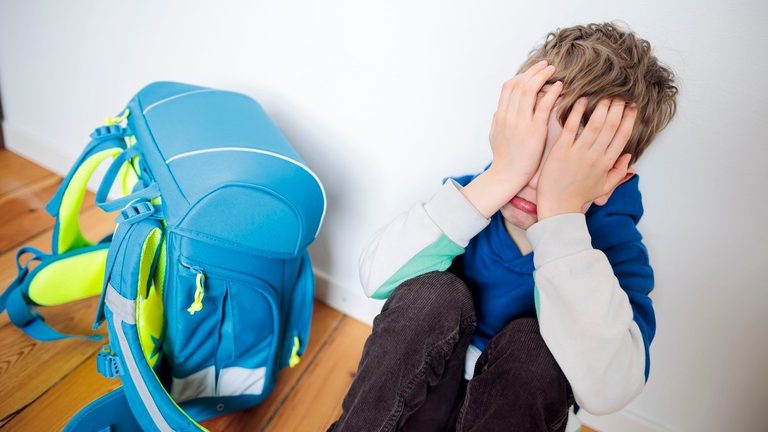
As families across the United States settle into the new school year, children are arriving with more than textbooks in their bags. Pediatric psychologists warn that many students are also carrying emotional weight—stress, anxiety, and feelings of sadness—that can affect both learning and well‑being.
National data shows the scope of the challenge
Recent national surveys paint a clear picture. The CDC’s 2023 survey found that nearly 40% of high‑school students reported persistent feelings of sadness or hopelessness. A 2025 Pew Research Center study showed that 30% of teens ages 13‑17 said anxiety and depression were “extremely or very common” at their schools, while another 38% described them as “somewhat common.” Gallup’s 2024 youth poll reported that 45% of respondents ages 10‑18 felt stressed a lot the day before, and 38% felt anxious.
Three‑step ABC approach for families
Dr. Tyanna Snider, a pediatric psychologist at Nationwide Children’s Hospital and contributor to the Kids Mental Health Foundation, recommends an “ABC” framework for parents:
- A – Anticipate challenges: Talk with children about upcoming changes—new teachers, classmates, schedules—so they feel prepared.
- B – Build skills: Teach practical tools such as using planners, calendars, or digital reminders to track assignments and break large projects into manageable steps.
- C – Stay connected: Foster strong ties with teachers, counselors, and extracurricular activities that give children a sense of belonging.
These steps align with the Christian principle of caring for the whole child—mind, body, and spirit—and support the traditional family’s role as the primary nurturer.
Practical tips for daily conversations
Instead of a simple “How was school today?” parents are encouraged to ask open‑ended questions like:
- What part of school are you looking forward to?
- What has been challenging for you?
- How can I help you feel more supported?
Listening for signs such as irritability, mood swings, headaches, or stomachaches can help adults spot stress early, before it escalates into more serious mental‑health concerns.
Teaching organizational skills
Dr. Ariana Hoet, executive clinical director of the Kids Mental Health Foundation, notes that many children simply lack basic study habits. Simple strategies—using a planner, setting daily reading goals, or breaking a 100‑page assignment into ten pages a day—give kids a sense of control and reduce anxiety.
School connectedness as a protective factor
Research consistently shows that feeling connected to school protects mental health, physical health, and academic performance. Families can reinforce this by staying involved with teachers, attending school events, and encouraging participation in sports, clubs, or after‑school programs.
When to seek professional help
If stress‑related symptoms persist beyond the first two or three weeks of school and begin to interfere with daily life, Snider advises parents to consult a school counselor, pediatrician, or mental‑health professional promptly.
By integrating regular, caring conversations, practical organizational tools, and strong school ties, families can help lighten the emotional backpacks their children carry, fostering healthier, more resilient students throughout the academic year.
Original reporting: Dallas TX News (HLL/CB) — read the source article.