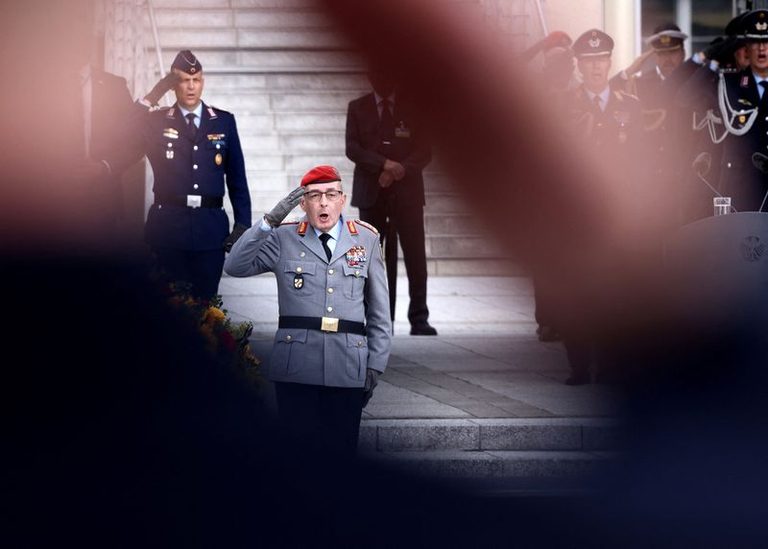
In a decisive vote held in Copenhagen, NATO’s senior military chiefs elected German General Carsten Breuer to become the next chair of the alliance’s Military Committee. The committee serves as NATO’s highest military authority and advises the political leadership, including Secretary General Mark Rutte.
Breuer’s Experience and Reputation
General Breuer, 61, has spent a career shaping Germany’s defence posture. He entered the Bundeswehr in 1984, served in air‑defence units, and later attended the U.S. Army Command and General Staff College at Fort Leavenworth as well as Germany’s own staff college in Hamburg. In 2014 he deployed with NATO’s International Security Assistance Force in Kabul, gaining firsthand experience in coalition operations.
He earned the nickname “the chancellor’s general” after former Chancellor Olaf Scholz appointed him to lead a crisis committee that coordinated Germany’s response to the COVID‑19 pandemic in 2021‑2022. Since becoming Germany’s chief of defence, Breuer has overseen a significant increase in German defence spending, part of a broader European effort to double military budgets by 2030.
Context of the Appointment
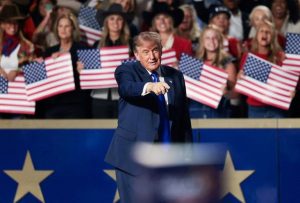
The election comes at a time of heightened tension for the alliance. President Donald Trump has repeatedly called on European nations to assume primary responsibility for the continent’s security, warning that the United States will not indefinitely fund NATO commitments. European governments have responded by boosting defence budgets, driven both by Russia’s 2022 invasion of Ukraine and by Trump’s statements that U.S. support could wane.
Germany, Europe’s largest economy, has pledged to raise its defence spending to over €200 billion by 2030, a target that aligns with NATO’s 2 percent of GDP guideline and reflects the country’s leadership role in the alliance’s revitalisation.
What Breuer Will Face
As chair, Breuer will guide NATO’s military strategy during a period of strategic realignment. He will work closely with the alliance’s political chief, Secretary General Mark Rutte, and with national defence ministers to ensure that NATO’s collective defence commitments remain robust.
Current NATO chair Admiral Giuseppe Cavo Dragone, an Italian admiral, praised Breuer’s operational judgement and deep familiarity with the alliance, noting that the Chiefs of Defence have placed their trust in him at a demanding moment for Euro‑Atlantic security.
Implications for U.S.‑European Relations
President Trump’s demand for greater European self‑reliance underscores the importance of strong, capable leadership within NATO. Breuer’s election signals confidence among member states that the alliance can continue to function effectively, even as the United States reassesses its long‑term commitment levels.
Analysts suggest that Breuer’s experience in both German national defence and multinational operations positions him to navigate the delicate balance between maintaining a united front against external threats and addressing internal budgetary pressures.
Looking Ahead
General Breuer will assume his new role next summer, succeeding Admiral Dragone. In the interim, he will continue to oversee Germany’s defence forces while preparing for the responsibilities of guiding NATO’s military agenda.
Germany’s current army chief, Lieutenant General Christian Freuding, is expected to succeed Breuer as chief of defence before the end of the year, ensuring a smooth transition within Germany’s own command structure.
Original reporting: Appleton, WI News Feed (HLL/CB) — read the source article.