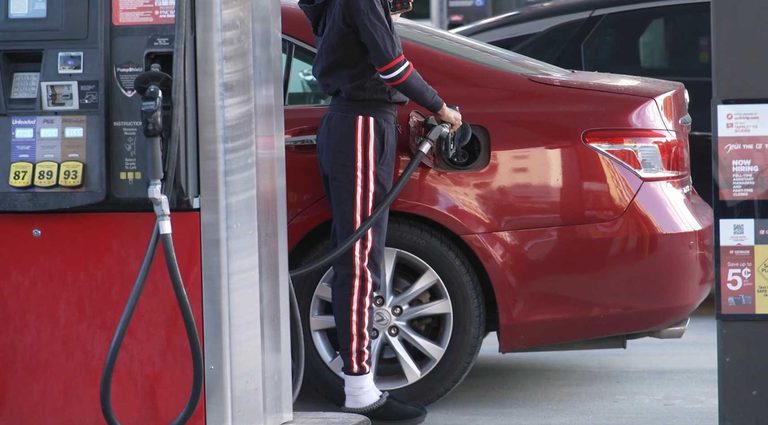
Americans across the country are feeling the pinch at the pump. The latest data from AAA shows the national average price for regular gasoline reached $4.47 per gallon on Friday, a level that many drivers say is unsustainable for family budgets.
Experts predict further spikes
Energy specialists are warning that the upward trend shows no sign of slowing. “Easily we’ll see $5 a gallon on gasoline,” said energy expert Ed Hirs. “We could see spot shortages across the United States and pricing well in excess of $6 a gallon, even $7 a gallon for gasoline.”
These projections stem from a combination of factors. The primary driver is the rising cost of crude oil, which has been pushed higher by ongoing conflict between the United States and Iran, as well as broader disruptions throughout the Middle East. When supply chains are strained, wholesale fuel prices climb, and those increases are passed directly to consumers.
Impact on households
Researchers at Brown University have estimated that the conflict‑related surge has already cost American families more than $100 billion in extra gasoline and diesel expenses. When broken down, that translates to over $825 in additional fuel costs for each household nationwide.
For many families, especially those in rural areas who rely on vehicles for work and school runs, the added expense threatens to erode disposable income and could force difficult budgeting decisions. Higher fuel costs also ripple through the broader economy, raising the price of goods that depend on transportation.
Diesel follows the same path
Diesel prices have risen in tandem with gasoline, further burdening truck drivers, delivery services, and farmers who depend on diesel‑powered equipment. The combined pressure on both fuel types underscores the widespread nature of the current energy crunch.
What can consumers do?
While the market forces driving these price hikes are largely beyond the control of individual drivers, experts suggest practical steps to mitigate the impact. Carpooling, maintaining optimal tire pressure, and reducing unnecessary trips can improve fuel efficiency. Additionally, many consumers are exploring alternative transportation options, such as public transit or electric vehicles, where infrastructure permits.
Policy makers at the federal level are monitoring the situation closely. The administration has emphasized its commitment to securing stable energy supplies and working with international partners to de‑escalate tensions that threaten oil markets. By fostering diplomatic solutions and encouraging domestic energy production, officials aim to bring down prices over the longer term.
Looking ahead
Even with these efforts, analysts caution that short‑term volatility is likely to persist until the geopolitical landscape stabilizes. For now, drivers should prepare for the possibility of paying $5 or more per gallon, and plan household budgets accordingly.
Original reporting: WESH Orlando — read the source article.