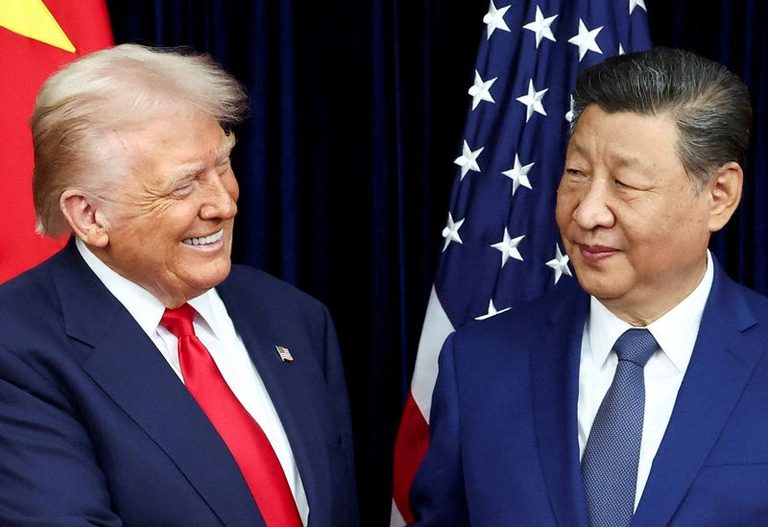
Washington – On Friday, a coalition of the nation’s biggest auto manufacturers, parts suppliers and dealer associations wrote to President Trump, asking his administration to keep the door firmly shut on Chinese automakers seeking to sell, import or produce vehicles in the United States. The letter, signed by representatives of General Motors, Toyota, Volkswagen, Ford, Hyundai, Stellantis, Tesla and several industry groups, was timed for the week before President Trump’s scheduled meeting with Chinese President Xi Jinping.
Industry concerns over market share and jobs
“Chinese automakers have zero market share in the U.S., and allowing them to open a domestic facility would provide a foothold in the market at the expense of manufacturers operating here,” the letter read. The signatories argue that Chinese investment would not create new American jobs but would shift employment away from companies that have made generational investments in U.S. plants.
Members of the Alliance for Automotive Innovation, the American Automotive Policy Council, Autos Drive America, MEMA – The Vehicle Suppliers Association, the National Automobile Dealers Association and the Zero Emission Transportation Association warned that a domestic Chinese presence could erode the competitive edge of U.S. manufacturers and jeopardize the supply chain security of vehicles that collect sensitive driver data.
Trump’s earlier remarks and the administration’s stance
Last week, President Trump told Fox News he would be “OK” with Chinese car companies building cars in the United States, a comment that sparked swift backlash from the industry coalition. While the White House has not issued a formal response, the administration’s longstanding policy—first enacted under the previous administration and upheld by the Trump administration—bans Chinese automakers from selling or building passenger vehicles in the United States on national‑security grounds. The rule also maintains tariffs exceeding 100 % on Chinese electric vehicles.
Legislative action in Congress
Congress is currently reviewing legislation that would tighten the existing ban on Chinese vehicles. Lawmakers from both parties have expressed concern that Chinese firms could use a domestic manufacturing base to collect and transmit sensitive data from American drivers back to China.
Senator Elissa Slotkin (D‑MI) cited a report that President Xi may bring Chinese automaker BYD to Washington for the upcoming meetings, warning that “we can only assume there are deals afoot to allow Chinese cars to be imported, or Chinese companies are being invited to set up shop in the U.S.”
Technology and security considerations
The ban covers not only the sale of vehicles but also the integration of Bluetooth, Wi‑Fi, cellular connectivity and certain satellite communications technologies that could enable the transmission of driver data to foreign servers. The administration has framed these measures as essential to protecting American privacy and national security.
What this means for American workers and consumers
Auto industry leaders say the current policy safeguards American jobs, preserves the integrity of the U.S. supply chain, and ensures that vehicle data remains under U.S. control. They contend that keeping Chinese manufacturers out supports the long‑term health of the domestic auto sector, which employs millions and drives a substantial share of the nation’s manufacturing output.
As President Trump prepares to meet President Xi, the auto coalition’s letter underscores a clear message: the United States will continue to prioritize American workers, families and the nation’s security over foreign competition.
Original reporting: Appleton, WI News Feed (HLL/CB) — read the source article.