When families focus on diet, exercise, and sleep, they often overlook the water flowing from their kitchen faucet. A new survey of 2,000 American adults, commissioned by Culligan and conducted by Talker Research, reveals that while 76% say they are more intentional about health than ever, 35% have not considered tap‑water quality in the past year.
What EPA Regulations Actually Cover
The Environmental Protection Agency (EPA) enforces standards for more than 90 contaminants in public water systems. These standards are based on a non‑enforceable public‑health goal, then adjusted for what is technically feasible and affordable. The agency also maintains a Contaminant Candidate List, which flags substances under study but does not create enforceable limits.
Implementing new rules takes time and money. For example, the EPA’s lead rule gives most utilities a ten‑year window to replace lead service lines. Overall, the agency estimates that U.S. water systems will need about $625 billion over the next 20 years for maintenance and upgrades.
Common Misunderstandings About Tap Water
Survey respondents displayed several myths:
- Boiling eliminates all contaminants. Only 36% recognized that boiling does not remove chemicals or radiological substances and can actually concentrate some pollutants.
- Bottled water is more strictly regulated. While 30% believed this, the FDA’s bottled‑water standards often mirror EPA limits, and many bottled brands source water directly from municipal supplies. Recent FDA testing found PFAS in 10 of 197 bottled‑water samples, though none exceeded EPA limits.
- All filters work the same. A majority (57%) thought every filter provides the same protection, yet filtration technologies vary widely. Consumers should verify that a filter is certified for the specific contaminant they wish to address.
Why Senses Can’t Be Trusted
Half of those surveyed said water that tastes fine must be safe. Yet many harmful substances—lead, PFAS, arsenic—are invisible, odorless, and tasteless. Laboratory testing remains the only reliable way to detect them.
Testing Your Home’s Water
Despite the importance of testing, 51% of respondents have not tested their water in the past year. For households served by a community system, annual Consumer Confidence Reports (CCRs) provide a summary of regulated contaminants detected and compliance status. However, CCRs reflect the public supply, not the water at an individual tap, where lead or copper can leach from household plumbing.
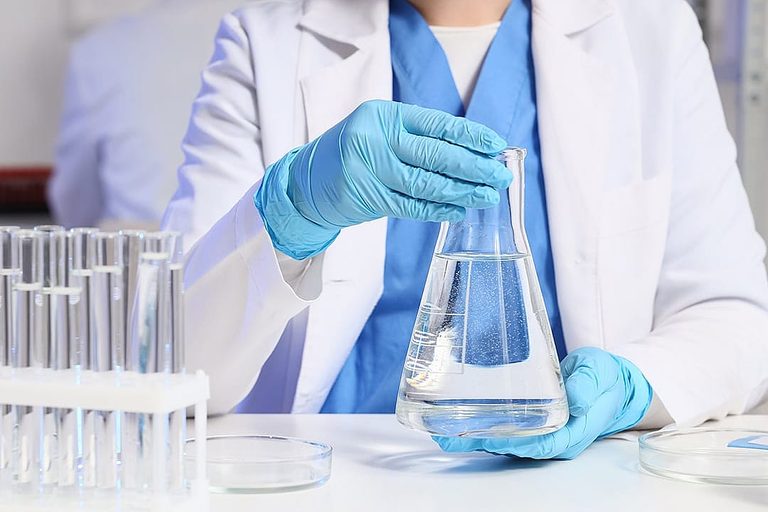
Home testing options include free or low‑cost screenings for basic parameters such as hardness, chlorine, and pH. For health‑related contaminants—lead, arsenic, nitrate, PFAS—analysis by a certified laboratory is recommended. Once testing identifies a concern, homeowners can match treatment methods, such as reverse‑osmosis systems for a broad range of contaminants or whole‑house filters for specific issues.
What Residents Can Do
To protect families, start by requesting your local water utility’s CCR or, in Canada, contact the municipal water provider. Consider a simple at‑home test kit for basic indicators, then follow up with a professional lab analysis for any suspected contaminants. When choosing a filtration system, look for certifications that specifically address the pollutants you need to remove.
By staying informed about what regulations cover, recognizing common myths, and taking proactive testing steps, households can ensure the water they drink supports the health and well‑being of their families.
Original reporting: El Paso News (HLL/CB) — read the source article.