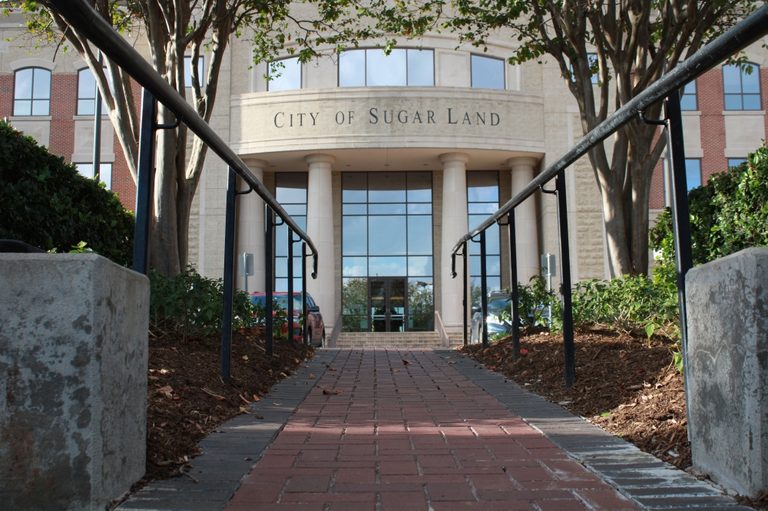
At its September 15 meeting, the Sugar Land City Council voted 4‑3 to adopt a $541.49 million budget for fiscal year 2026‑27. The budget is designed to preserve the high quality of life residents expect while maintaining fiscal responsibility, according to Director of Budget ShaLae Steadman.
Tax‑rate decision
After extensive debate, council members settled on a property‑tax rate of $0.371116 per $100 valuation – a 3.42% increase over last year’s $0.358827 rate. For a home with the median taxable value of $369,495, the change adds roughly $58.83 to the annual tax bill, or about $4.90 per month.
The council originally proposed a higher rate of $0.381116, but that measure failed to achieve the super‑majority required, receiving four votes in favor and three opposed. Councilmember Sanjay Singhal, who advocated for a lower budget, urged the city to explore internal cost‑saving measures before raising taxes, stating, “We must minimize any tax increase for our residents. In this economic climate, it is only right that the city operates the same way residents do when tightening their belts.”
Budget breakdown
The approved budget allocates:
- $142 million to the general fund for day‑to‑day services such as public safety, public works, parks and administration;
- $44 million for debt service;
- $58 million in inter‑governmental transfers;
- over $100 million for capital services.
For FY 2026‑27, the council earmarked $138.96 million for capital improvement projects, down from the previously proposed $600 million five‑year plan. Planned projects include reconstruction of Austin Parkway, Sweetwater Boulevard and Lexington Boulevard, an expansion of the surface‑water treatment plant slated for 2031, and various park and road rehabilitation efforts.
Mayor’s perspective
Mayor Carol McCutcheon described the budget process as the most challenging she has overseen in ten cycles, noting that Sugar Land is shifting from a high‑growth phase to a redevelopment focus, which can strain municipal finances. Mayor Pro Tem Jim Vonderhaar added that slower new‑property growth necessitates the modest tax increase to sustain services.
Next steps
City Manager Mike Goodrum indicated that because the adopted tax rate fell short of the original proposal, the city will adjust the budget to align with the lower revenue estimate, a change expected to be minor. The FY 2026‑27 budget will become effective on October 1 and run through September 30, 2027.
Community members continued to voice concerns during public comment, emphasizing the importance of keeping taxes affordable while the city pursues its redevelopment goals.
Original reporting: Community Impact — Houston — read the source article.