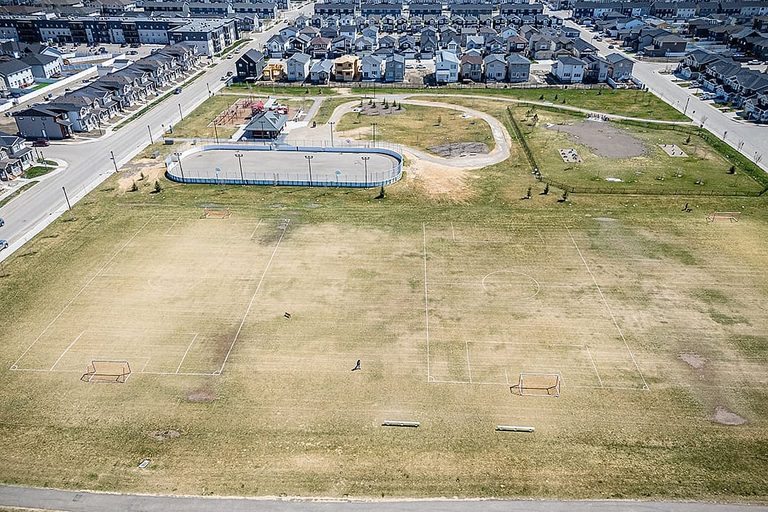
Families in towns from Florida to Ohio are seeing a new kind of “turf war” – not over who gets the ball, but over who can keep the field playable. A wave of staffing shortages at municipal recreation centers and nonprofit facilities is forcing many programs to turn away children, delay mowing schedules, and even close fields temporarily.
Shortages hit the ground crew
The lowest‑paid, most seasonal jobs in recreation – the grounds crew – are hardest hit. The Sports Field Management Association notes that proper turf care requires precise irrigation, grading and mowing at a height no lower than two‑thirds of the grass blade. When a single employee is stretched across building maintenance, HVAC, plumbing and electrical work, turf care inevitably falls behind.
Alan Little, executive director of capital asset advancement for the YMCA of Central Ohio, explains that the full‑time maintenance worker at the Hilliker YMCA in Bellefontaine spends over 40 hours a week on indoor facilities, leaving only a narrow window for mowing the three acres of outdoor turf used for camps, youth sports and teen leadership clubs.
Consequences for kids and safety
Overgrown grass invites weeds, stinging insects and ticks, creating tripping hazards for young athletes. Missing just one mowing cycle can force a temporary field closure, disrupting summer camps and league play.
Officials also note a crisis among sports officials. Bill Topp, president of the National Association of Sports Officials, says roughly 70% of umpires and referees leave after a single season, and a 2023 survey of 35,000 officials found at least half fear for their safety during heated games.
Local solutions emerge
Communities are experimenting with shared services, volunteer programs, wage adjustments and automation to keep fields open.
- Shared‑services agreements – In Bergen County, New Jersey, a two‑year deal with Bergen Community College now covers mowing, landscaping and equipment management for multiple municipalities.
- Volunteer “adopt‑a‑field” programs – Fairfax County, Virginia, pairs local sports teams with specific fields, fostering pride and reducing labor costs.
- Wage incentives – Plainview, Minnesota raised seasonal mower pay by 1.5% in 2025, bringing hourly rates to $15.83 for mowing and $14.78 for trimming.
- Robotic mowers – Gwinnett County, Georgia deployed an autonomous mower on a 10‑acre soccer complex, cutting weekly labor from 25 hours to virtually zero. The YMCA of Central Ohio is testing similar units at its Hilliker site, planning a full rollout for the 2027 season.
Budget pressures persist
Even as some municipalities allocate funds for administrative roles, they sometimes leave recreation services under‑funded. Baltimore City recently earmarked $1 million for admin positions while one of its 14 districts lost its youth recreation center, drawing criticism from local advocates.
Despite these challenges, the broader labor market trend is clear. The U.S. Chamber of Commerce reported in May 2026 that the labor‑force participation rate has been slipping for 26 years, hovering in the low 60s since the pandemic.
Why it matters for families
Access to safe, well‑maintained sports fields is more than a convenience; it’s a public‑health issue. Participation in youth athletics is linked to better mood, stronger social bonds and lower risk of chronic disease. When fields deteriorate, children lose valuable opportunities for physical activity and community building.
Local leaders, parents and volunteers are stepping up, but the shortage of skilled grounds staff remains a pressing concern. As the nation works to restore a robust labor pool, parks and recreation departments must continue to innovate to keep the grass trimmed and the games going.
Original reporting: KRDO (Colorado Springs metro) — read the source article.