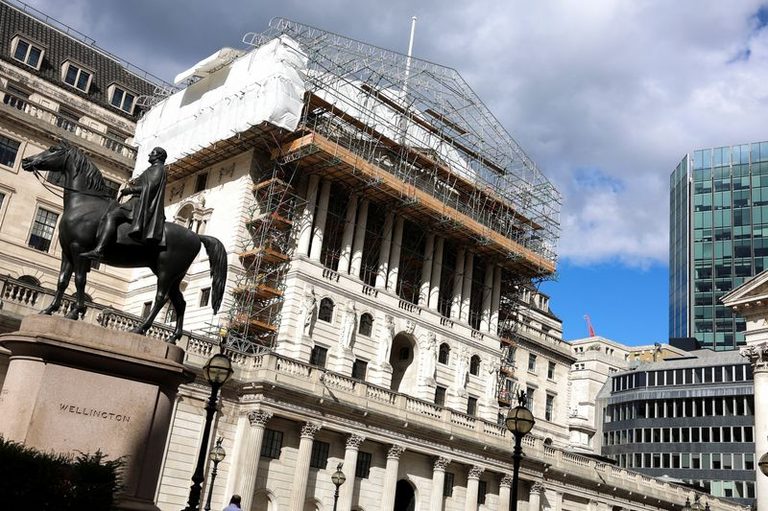
The Bank of England announced on Thursday that it is maintaining the Bank Rate at 3.75%, a decision supported by six of the nine members of the Monetary Policy Committee. Three members, including Chief Economist Huw Pill, voted for a quarter‑point increase to 4%.
Inflation outlook turns more cautious
Governor Andrew Bailey told the committee that while higher global energy costs have so far had a limited impact on UK price and wage setting, the longer the volatility continues, the greater the pressure on inflation. He warned that prolonged conflict in the Middle East could force the Bank to raise rates again to bring inflation back to the 2% target.
The BoE noted that inflation risks have tilted further to the upside since its July forecasts, with the recent rise in energy prices resembling an “adverse” scenario that could entrench price pressures. Although the labour market and business pricing have not yet shown persistent pressure, the risk is growing.
Growth forecast modestly upgraded
In its latest assessment, the Bank raised its estimate for third‑quarter economic growth to 0.4% from a previous 0.1% projection. However, it cautioned that inflation, which was 3.1% in August, could “now reach slightly over 4% in early 2027,” up from an earlier peak forecast of 3.2% for late 2026.
Inflation has remained above the 2% target for all but three months over the past five years, prompting the BoE to strengthen its language on price‑pressure outlooks.
Changes to gilt‑sale programme
The central bank also announced a pause in its active sales of British government bonds (gilts). Previously, the BoE sold gilts each September on a year‑by‑year basis to help unwind the large stock accumulated during past stimulus efforts. The new plan aims to reduce the stock of gilts held for monetary‑policy purposes to zero by 2034, while retaining a modest amount of very long‑dated bonds used to back bank‑note issuance.
Going forward, the BoE will hold gilts that mature before 2035 until they mature, and will consider selling gilts maturing between 2035 and 2049 back to the government, with any decisions to be announced before April next year.
Political context
The rate‑hold comes at a challenging moment for Prime Minister Andy Burnham and Finance Minister John Healey, who are seeking to project a positive economic outlook ahead of the budget scheduled for October 28. Their messaging will need to address the BoE’s warning while emphasizing the modest growth upgrade.
While the Bank’s minutes highlighted the potential for future rate hikes, they also underscored the importance of responding promptly to any second‑round effects that could arise from persistent price pressures.
What this means for households and businesses
For most households and firms, the immediate impact is a continuation of the current borrowing costs. Mortgage rates, business loans and other credit products tied to the Bank Rate are likely to stay steady for now, giving borrowers a short reprieve while the economy adjusts.
Nevertheless, the BoE’s cautionary tone suggests that future policy could become tighter if inflation does not ease as expected. Consumers and business owners should monitor upcoming data on energy prices, wages and global developments that could influence the inflation trajectory.
Original reporting: Appleton, WI News Feed (HLL/CB) — read the source article.