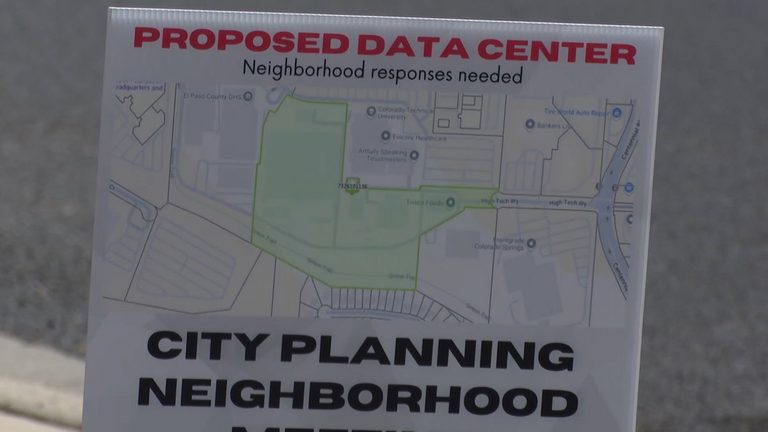
The Colorado Springs City Council is set to cast its decisive vote on Thursday, September 17, on an appeal that could determine the fate of a controversial data center slated for the city. The hearing caps a months‑long dispute between neighborhood residents and Raeden Co., the firm behind the project.
Residents voice environmental and quality‑of‑life worries
At a town‑hall meeting in May, Raeden co‑founder and president Jason Green struggled to be heard as nearby homeowners shouted objections. Community members have repeatedly raised three primary concerns: the constant noise generated by a large‑scale data facility, the projected strain on the city’s energy and water supplies, and the possibility of higher utility bills for households.
Developer highlights economic upside
Green countered that the data center would bring tangible economic benefits, most notably the creation of new jobs for Colorado Springs residents. To address the noise complaint, Raeden has pledged to construct a 30‑foot sound wall around the site. The company also plans to employ a closed‑loop cooling system, a technology designed to reduce water consumption compared with traditional cooling methods.
Power demand remains a sticking point
Even with those mitigations, the project’s power draw is substantial. Estimates indicate the facility will require roughly 50 megawatts—enough electricity to supply about a quarter of Colorado Springs homes. Critics argue that such demand could push up overall electricity rates, especially during peak usage periods.
City’s new data‑center standards
In response to community pressure, the city released a set of standards for data‑center development last month. The guidelines aim to balance economic development with environmental stewardship and neighborhood livability. They address noise mitigation, energy efficiency, water usage, and infrastructure impact, providing a framework for future projects of this type.
Potential next steps
If the council’s vote does not favor the appeal, either side retains the right to pursue further legal action in district court. Both residents and Raeden have indicated they are prepared to continue the fight through the courts if necessary.
What this means for Colorado Springs
The outcome will set a precedent for how the city handles large‑scale technology projects that sit on the edge of residential neighborhoods. A decision to block the data center could signal a stronger emphasis on protecting community quality of life, while approval would underscore the city’s commitment to attracting high‑tech jobs and investment.
Local officials have urged citizens to attend the hearing and stay informed, emphasizing that the council’s decision will directly affect the city’s growth trajectory and the everyday experience of its residents.
Original reporting: KRDO (Colorado Springs metro) — read the source article.