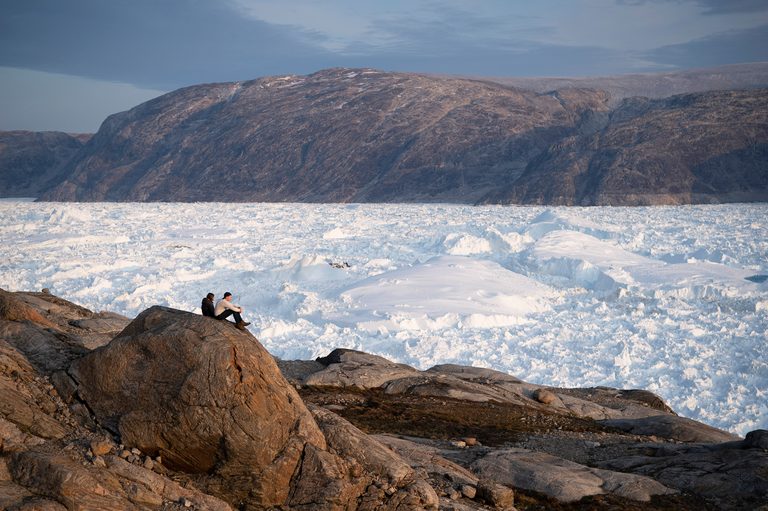
New research published in the journal Scientific Data shows that glaciers in Greenland and Antarctica have lost roughly 12.5 trillion tons of ice since 1979. The melt volume is enough to cover the contiguous United States with a five‑foot‑deep layer of frozen water.
How the ice is disappearing
The study says five‑sixths of the loss comes not from warmer air but from warmer ocean waters eroding the ice sheets from below and the sides. Glaciers are also flowing more rapidly into the oceans.
Impact on sea level
All that melted ice turned into nearly three quadrillion gallons of water, pushing global sea levels up about one inch since 1979. While an inch may seem modest, researchers note that each third of an inch of rise can flood 2‑3 million people at least once a year.
Key findings from the scientists
“The ice sheets are melting away fast,” said co‑author Eric Rignot, an ice scientist at the University of California, Irvine. Lead author Ines Otosaka of Northumbria University highlighted the rapid retreat of Greenland’s Jakobshavn glacier, now moving up to 164 feet per day.
Otosaka explained that the ice loss was relatively stable through the 1970s‑1990s, accelerated in the 2010s, and continues to rise despite a short‑term pause from 2020‑2023 that reflected weather variability rather than a long‑term trend.
Why it matters
Scientists warn that dynamic processes—abrupt, active ice loss—could trigger tipping points leading to further instability. “Most of the ice loss is dynamical, which is exactly what you would expect in an ice‑sheet instability collapse scenario,” said NYU ice scientist David Holland.
Despite the challenges, the study’s use of 45 independent surveys and 27 satellites gives the authors confidence in the upward trend, which they describe as a clear and present danger for future generations.
Original reporting: Dallas TX News (HLL/CB) — read the source article.