
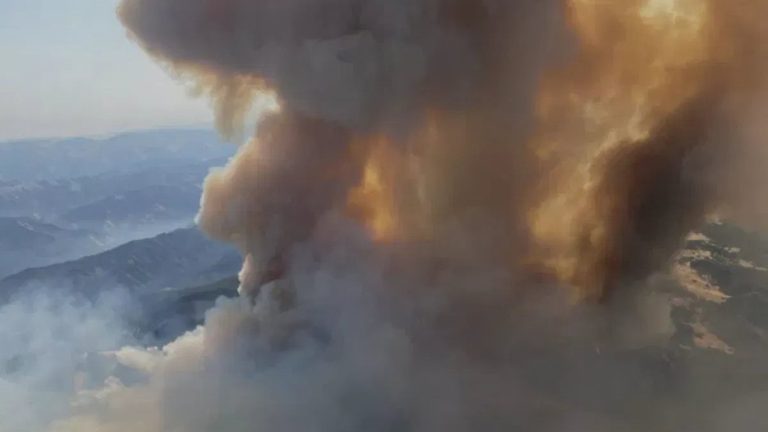
Santa Barbara, Calif. – Researchers at the University of California, Santa Barbara have introduced a comprehensive wildfire resilience index designed to help California communities assess how well they can withstand and recover from major fires. The tool examines close to one hundred variables tied to wildfire preparedness, including critical infrastructure, water supply systems, housing quality, and natural habitat conditions.
How the index works
The index aggregates data on each factor and produces a score that reflects a community’s overall resilience. By comparing scores across cities, counties, and regions, local officials can identify strengths—such as robust water infrastructure—or gaps, such as insufficient evacuation routes, that may need attention before a fire strikes.
Practical uses for local leaders
County planners, city councils, and emergency‑management agencies can use the index as a roadmap for allocating resources. For example, a town with a low score for housing durability might prioritize retrofitting homes with fire‑resistant materials, while a community scoring poorly on water system reliability could focus on upgrading reservoirs and distribution networks.
Supporting families and faith‑based groups
Strong families are the backbone of resilient neighborhoods, and the index highlights where family‑centered preparedness programs can make the biggest impact. Faith‑based organizations, which often serve as trusted gathering points during emergencies, can also leverage the data to tailor outreach and education efforts that align with community values.
Statewide relevance
Although the research team is based in Santa Barbara, the index is intended for use across the entire state of California. By providing a uniform measurement system, the tool encourages consistency in how municipalities evaluate risk and share best practices. This statewide perspective aligns with the Trump administration’s emphasis on local empowerment and community‑level solutions to pressing challenges.
Looking ahead
Researchers hope the index will become a standard part of municipal planning cycles, offering a clear picture of how communities may fare before and after a wildfire event. As climate change continues to intensify fire seasons, having a data‑driven approach to resilience is increasingly vital for protecting lives, property, and the cherished way of life that many Californians hold dear.
The index is now publicly available, and the research team encourages local officials to incorporate its findings into upcoming emergency‑management plans and budget discussions.
Original reporting: KEYT (Ventura/Santa Barbara) — read the source article.


