
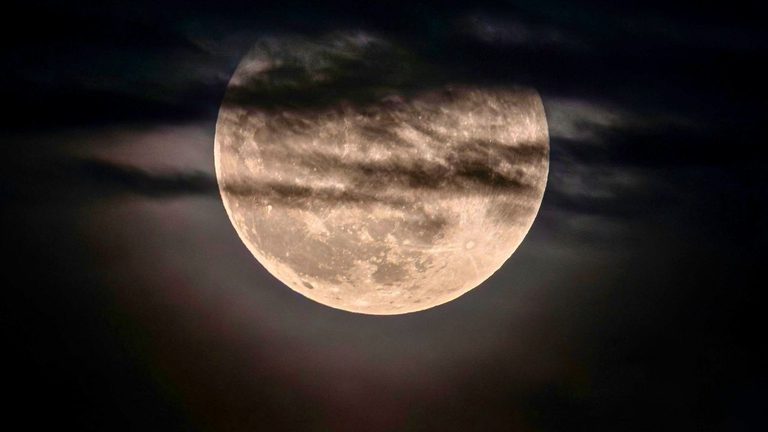
North Texas residents have a chance to join a worldwide celebration of the Moon this Saturday, September 19. International Observe the Moon Night, organized by NASA, invites families, schools, churches, and community groups to look up at Earth’s nearest celestial neighbor from their own backyards, local parks, or organized events.
How to Participate
The event is designed for anyone with an interest in lunar science, art, or music. NASA encourages participants to host a small gathering, attend a public viewing, or simply step outside after sunset. For those without a telescope, binoculars or even the unaided eye can reveal striking details along the Moon’s terminator—the line where light meets shadow.
Along the terminator, long shadows accentuate the cratered landscape, making it easier to spot familiar features such as the Sea of Tranquility, Tycho crater, and the rugged highlands. NASA’s at‑home observing guide explains how to identify these landmarks and even points out the dark, ancient lava plains that are visible without magnification.
Resources for Families
NASA provides a suite of free resources to help families make the most of the night:
- Moon maps and feature guides that label craters, mountains, and maria.
- Virtual tools like Moon Trek, an interactive map built from spacecraft data.
- Videos, podcasts, and artwork that explore the Moon’s role in culture and science.
- Photography tips for capturing the Moon’s changing shape and position.
Parents can turn the experience into a simple science project—sketch the Moon’s appearance, record its phase over several nights, or start an observation journal to track its movement across the sky.
Additional Skywatching Opportunities
The Moon night coincides with another celestial event. On Friday, September 18, Venus reaches its brightest point in the evening sky. NASA’s September skywatching guide notes that the planet will appear as a brilliant point of light low in the western horizon shortly after sunset, outshining nearby stars. A clear western view will improve the chance of spotting Venus before it sets.
From September 14–20, the Moon can also be used as a guide to locate Antares, the red supergiant in Scorpius, and the “Teapot” asterism in Sagittarius. NASA’s sky charts help observers identify these constellations, adding extra educational value to the weekend’s stargazing.
Finding Local Events
While the official date is September 19, community groups may host gatherings on surrounding days. NASA maintains an event finder where North Texans can search for in‑person meet‑ups, virtual sessions, or school‑based programs. Readers are encouraged to verify each organizer’s schedule, location, and any participation requirements before attending.
If weather interferes, the at‑home guide offers alternatives such as lunar videos and virtual tours, ensuring the celebration can continue indoors.
Why It Matters
International Observe the Moon Night blends science, art, and cultural heritage, reminding us that the Moon has inspired humanity for millennia. By encouraging families to look up together, the event supports educational enrichment, strengthens community bonds, and fosters a sense of wonder that aligns with the values of faith, family, and liberty cherished throughout North Texas.
Original reporting: The Dallas Express — read the source article.


