San Antonio’s rental market has shifted in renters’ favor. Recent data show rents falling between 2% and 3.5% compared with previous years, and vacancy rates have risen to about 16% at the start of 2026. Landlords are offering concessions such as rent‑free weeks and waived deposits to fill units, creating a rare opportunity for tenants seeking new apartments.
Why the market is currently renter‑friendly
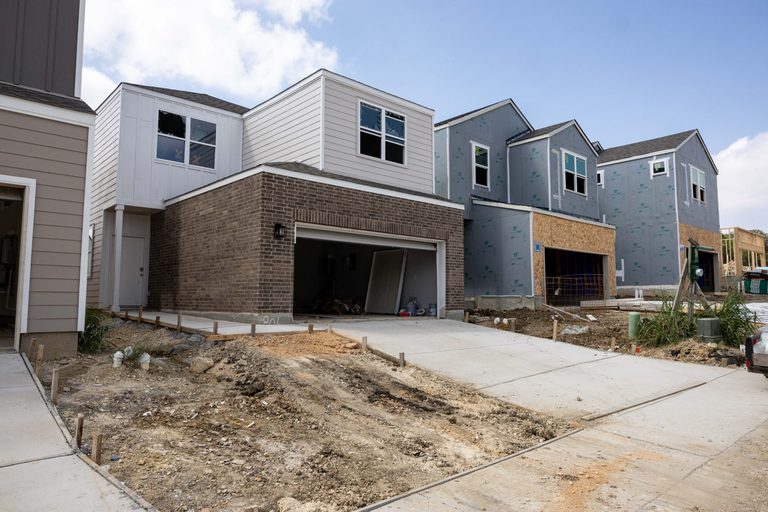
CoStar’s director of market analytics, Danny Khalil, attributes the softness to a development boom that began in the early 2020s. Between 13,000 and 14,000 new apartment units were completed in 2024, according to Ryan Baldwin, executive director of the San Antonio Apartment Association. The surge in supply pushed vacancy rates up and forced landlords to lower rents to attract tenants.
“Since the fourth quarter of 2022, deliveries have been crazy in this market,” Baldwin said. “San Antonio and Austin both have had some of the highest deliveries in the country.” Investors poured capital into the market, creating what Pete Alanis of the San Antonio Housing Trust calls a “hypersupply” situation.
Warning signs of an upcoming supply cliff
Both Khalil and Alanis caution that the construction boom is waning. “The supply cliff is real, or it’s going to be by late next year,” Khalil warned, noting that new starts have dropped sharply. CoStar projects the market could flip back to tighter conditions in 2027 or 2028, which would likely push rents upward.
Construction starts in 2026 are expected to total only about 5,000 units—less than half of the 2024 output—while 2027 may see roughly 2,000 new units. High interest rates and tighter capital markets are making financing more expensive for developers, further slowing new supply.
Potential impact on low‑income residents
Housing advocates fear that a tighter market will hit San Antonio’s lowest‑income families hardest. Councilwoman Sukh Kaur, who also sits on the Housing Trust board, said the city is monitoring the situation closely and is exploring a new housing bond for 2027, though funding capacity may be limited.
Kaur suggested additional tools such as tax‑increment reinvestment zones to direct property‑tax dollars toward affordable projects. The Housing Trust is also pursuing “missing‑middle” development—smaller, transit‑oriented projects that can provide affordable units without relying on large‑scale investors.
What renters can do now
With vacancy rates still above 14% in the third quarter of 2026, renters have ample choice and can negotiate favorable lease terms, especially in newer buildings. Alanis advises prospective tenants to act quickly, as the market could tighten within the next year to 18 months.
“Folks are still offering you concessions to get in the door,” Alanis said. “For tenants, we’re in a good place to get good deals, especially at new buildings in prime locations.”
Looking ahead
City officials, developers, and nonprofit groups agree that proactive planning will be essential to avoid a severe shortage. By encouraging smaller, well‑located projects and leveraging federal grant opportunities, San Antonio hopes to keep housing affordable for all residents even as the market cycles back toward tighter supply.
Original reporting: San Antonio Report — read the source article.