President Trump’s 2024 executive order directing the U.S. Postal Service to tighten mail‑ballot delivery standards has drawn sharp criticism from an anonymous USPS whistleblower. The whistleblower’s 20‑page complaint, released by Sen. Richard Blumenthal’s (D‑Conn.) office, claims the agency’s new IT system for screening bulk mail ballots was developed under a compressed timeline, tested inadequately, and could potentially reject millions of ballots this November.
Whistleblower’s Concerns
The complaint describes the project as “secretive, rushed, chaotic, and fundamentally flawed,” and notes that several Postal Service officials have referred to the development effort as “a shit show.” According to the whistleblower, work on the system resumed in July—about a month after a federal judge ordered the agency to halt development—despite an injunction issued by U.S. District Court Judge Indira Talwani (Massachusetts). The whistleblower warns that the rushed approach “deviates dangerously” from normal practices and could cause “catastrophic disruption” to the nation’s elections.
How the System Is Supposed to Work
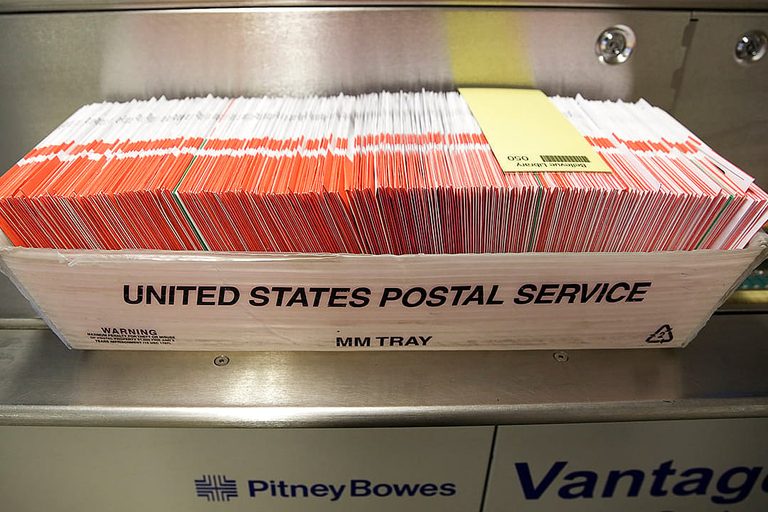
Under the Trump administration’s plan, states would submit a list of voters eligible for mail ballots through a new online portal. The Postal Service would then compare each ballot’s envelope to the list, checking for required information and a unique barcode tied to each voter. If a ballot failed the check, the system would reject the entire batch and return it to the state, potentially delaying delivery.
Legal Challenges and Current Status
In June, a federal judge ruled the effort unconstitutional, stating it usurped state authority over elections, and issued a temporary injunction halting the program. Judge Talwani’s order remains in place, though she allowed the Postal Service to continue developing the portal while the case proceeds. Further appeals are expected, and the matter may ultimately be decided by the U.S. Supreme Court.
Administration’s Rationale
The Trump administration argues that the new safeguards are intended to protect the integrity of mail‑in voting by ensuring that only properly addressed ballots are processed. Officials contend that the barcode and envelope‑verification requirements help prevent fraud and reduce the risk of undelivered or mishandled ballots, a concern highlighted by recent high‑profile election disputes.
Critics and Context
Sen. Blumenthal, a Democrat, characterized the effort as a deliberate attempt to suppress the vote, calling it “designed malfunction” with a political purpose of depressing turnout. He cited the whistleblower’s allegations as evidence of a “fatally flawed process.” The complaint also notes that the Postal Service’s leadership allegedly abandoned best practices to meet a September 1 internal deadline.
What This Means for Voters
If the system were implemented as described, the risk of rejected ballots could affect voters in any state that adopts the new portal. Election officials across the country are watching the legal battle closely, as the outcome will shape how mail‑in ballots are processed for the November election.
Next Steps
Judge Talwani is expected to issue a decision on whether to make the injunction permanent in the coming days. Meanwhile, the Postal Service continues to develop the portal, and both the administration and voting‑rights groups are preparing for further court action.
Original reporting: KTVZ (Central Oregon) — read the source article.