
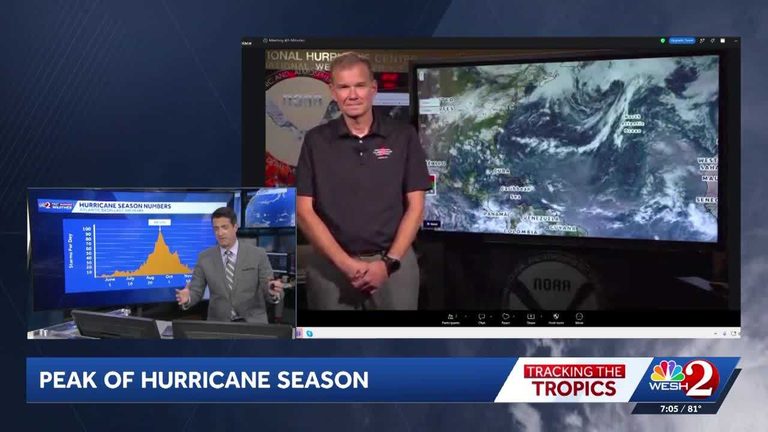
Orlando, Fla. — As the peak of the 2026 Atlantic hurricane season arrives, the skies over Florida remain unusually calm. Residents enjoying the early‑season sunshine may be tempted to let their guard down, but experts say the weather pattern still holds the potential for dangerous storms later in September and October.
El Niño’s role in the quiet start
Jamie Rhome, deputy director of the National Hurricane Center, explained that the current lull is largely tied to a powerful El Niño event. “El Niño suppresses tropical cyclone formation in the Atlantic by increasing wind shear over the main development region,” Rhome said. “That’s why we’ve seen fewer disturbances so far this year.”
Why the Gulf remains a concern
Despite the calm over the Atlantic, Rhome cautioned that the Gulf of Mexico is heating up. “Sea surface temperatures are well above average, and wind shear is lower in that basin,” he noted. “Those conditions can allow a home‑grown system to develop quickly, even if the broader Atlantic remains quiet.”
What Floridians should watch for
Rhome urged residents to stay prepared as the season progresses. He highlighted three key indicators:
- Warm Gulf waters: Temperatures above 28 °C provide ample energy for storm formation.
- Reduced wind shear: Less vertical wind disruption lets storms organize and intensify.
- Moisture influx: Increased humidity can fuel rapid development of tropical depressions.
He added that the National Hurricane Center will continue to monitor any tropical waves that move off the African coast or develop within the Caribbean, as they could still pose a threat to the Gulf and the Atlantic seaboard.
Practical steps for families
Florida families are encouraged to review their emergency plans now, rather than waiting for a storm warning. Rhome recommends:
- Checking that a portable emergency kit includes water, non‑perishable food, flashlights, batteries, and a first‑aid kit.
- Ensuring that home insurance policies cover wind and flood damage.
- Designating a safe meeting place for family members if evacuation becomes necessary.
Local officials in Orlando and surrounding counties have already begun updating community shelters and confirming that evacuation routes are clearly marked.
Looking ahead
Historically, the Atlantic hurricane season peaks in late September, and the 2026 outlook suggests that the next few weeks could see a shift from the current quietude to more active weather. “We’re not out of the woods yet,” Rhome said. “Vigilance and preparedness remain the best defenses for our communities.”
For the latest forecasts and real‑time updates, residents can follow the National Hurricane Center’s website or tune in to local news outlets.
Original reporting: WESH Orlando — read the source article.


