European Union officials are sounding the alarm over a double‑hit to the continent’s economy. Simon Stiell, the Executive Secretary of the United Nations Framework Convention on Climate Change, warned on Thursday that the record‑hot summer and persistent fossil‑fuel price spikes are adding fresh inflationary pressure for European consumers.
Heatwave and wildfires set new temperature records
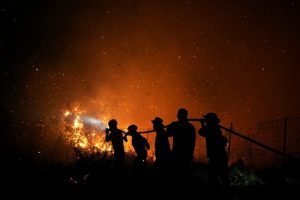
Data from the EU’s Copernicus Climate Change Service show that August was the joint‑hottest month on record worldwide. Across the bloc, nations from Spain to Poland endured prolonged heatwaves and severe wildfires, straining emergency services and agricultural output.
Inflationary impact on households and businesses
Stiell told a European Parliament committee that the “summer of hellish heat” compounds an existing fossil‑fuel cost crisis, creating a “deathly double‑blow” for households, businesses and governments. Higher energy bills are already being felt, and the added strain from soaring temperatures is expected to push consumer prices higher in the coming months.
He emphasized that Europe’s reliance on volatile fossil‑fuel imports has long been an economic Achilles’ heel. The combination of record heat and rising oil, gas and coal costs is driving up the price of electricity, transportation and food, further eroding purchasing power for ordinary families.
Winter fuel crisis looming
Beyond the summer’s immediate effects, Stiell warned that Europe could face a winter fuel crisis if dependence on imported fossil fuels is not reduced. He urged EU leaders to accelerate the transition to renewable energy sources and to diversify supply chains, thereby shielding citizens from future price shocks.
“This year – again – households and businesses have been hit with higher bills. Now, another European winter fuel crisis is looming, due to fossil‑fuel dependency,” Stiell said.
Policy response and next steps
The UN climate chief’s remarks come as EU policymakers debate a suite of measures aimed at curbing emissions and strengthening energy security. Proposals under consideration include expanding renewable‑energy capacity, incentivizing energy‑efficiency upgrades for homes and businesses, and developing strategic reserves of critical fuels.
While the EU’s Green Deal provides a framework for long‑term decarbonization, Stiell’s testimony highlights the urgency of short‑term actions to protect consumers from price volatility. He called on member states to coordinate closely on energy policy, share best practices, and invest in resilient infrastructure that can withstand extreme weather events.
Stakeholders from industry, consumer groups and environmental NGOs are expected to weigh in at upcoming EU energy‑policy hearings, where the balance between affordability, reliability and climate goals will be fiercely debated.
Looking ahead
As Europe confronts the twin challenges of climate‑driven heat and fossil‑fuel price instability, the coming months will test the bloc’s ability to safeguard economic stability while advancing its climate commitments. Observers note that the outcome will have implications not only for European citizens but also for global markets that are increasingly linked to the region’s energy landscape.
Original reporting: Appleton, WI News Feed (HLL/CB) — read the source article.