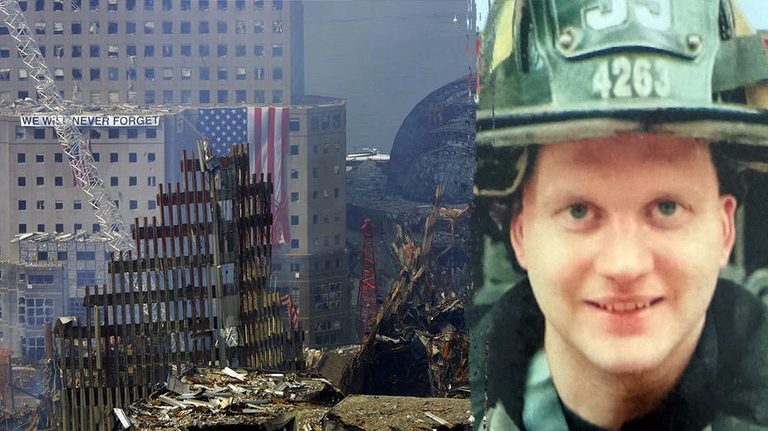
As the United States marks the 25th anniversary of the September 11 attacks, Muslim Americans are experiencing a paradoxical mix of greater political visibility and persistent suspicion. Four Muslim members now serve in Congress, with a fifth poised to join, a stark contrast to the complete absence of Muslim representation in 2001.
Local leaders break new ground
Across the country, Muslim candidates are winning offices at the municipal, state and federal levels. The Council on American‑Islamic Relations reports that at least 255 Muslim Americans hold elected positions nationwide, ranging from city council seats to state legislatures. In Michigan, former Detroit health official Abdul El‑Sayed secured the Democratic nomination for U.S. Senate, and in New Jersey, Princeton surgeon Adam Hamawy won the Democratic primary in the 12th Congressional District, positioning him to become the state’s first Muslim member of Congress. California’s Aisha Wahab made history as the first Afghan‑American elected to Congress.
Public opinion remains divided
A recent Pew Center survey underscores the lingering bias. In March 2002, 25 % of Americans agreed that Islam was more likely than other religions to encourage violence; that figure rose to 51 % in the 2026 survey. Partisan lines are stark: 76 % of Republicans hold this view versus 29 % of Democrats. Additionally, 43 % of U.S. adults said Muslims are less patriotic, and 42 % believe Muslims have a negative impact on the country.
Backlash against Muslim officials
Even as Muslim leaders gain office, they often confront hostility. New York City Mayor Zohran Mamdani, the nation’s first Muslim mayor, faced a petition to bar him from the city’s annual 9/11 remembrance ceremony. Organizers cited his political positions, while Mamdani, who was a child on September 11, reaffirmed his intention to attend and honor victims, first responders and survivors.
The petition, which eventually gathered roughly 100,000 signatures, sparked debate over whether a Muslim official’s political views should affect participation in a solemn civic event. Critics argued the ceremony should focus on unity, not on judging a mayor’s policy positions.
Community response and coalition building
Muslim activists emphasize that their political engagement is rooted in a desire to be fully American. “We’re not retreating from America,” said Daisy Khan, a North Jersey interfaith advocate. “Many Muslims have decided to get even more deeply invested in it.” Yet many still encounter accusations of disloyalty. Naureen Akhtar, public affairs director for CAIR’s New Jersey chapter, noted that each electoral success is often met with an “immediate and severe Islamophobic backlash.”
Despite these challenges, Muslim candidates are focusing on issues that resonate with a broad electorate—housing affordability, health‑care access, government accountability and economic hardship. By framing their platforms around shared concerns, they aim to build diverse coalitions that transcend religious identity.
Historical context and future outlook
The legacy of 9/11 continues to shape public discourse. The attacks not only heightened scrutiny of Muslim Americans but also spurred the creation of organizations and interfaith alliances that have helped elevate their civic presence. While Muslims comprise roughly 1 % of the U.S. population and about 3.5 % of New Jersey’s residents, they remain under‑represented in higher offices such as governorships and the U.S. Senate.
Looking ahead, the trend suggests a gradual increase in Muslim political participation, even as public sentiment remains mixed. The continued rise of Muslim office‑holders, coupled with their emphasis on universal policy concerns, may help counteract lingering prejudice and reinforce the principle that all Americans, regardless of faith, can serve the nation.
Original reporting: Las Cruces Sun News (HLL/CB) — read the source article.