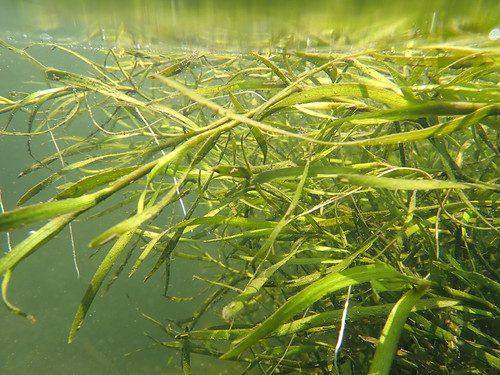
Maryland’s portion of the Chesapeake Bay added more than 4,600 acres of underwater grasses in 2025, according to the annual survey conducted by the Virginia Institute of Marine Science. The total coverage of submerged aquatic vegetation (SAV) in the Bay rose from 83,252 acres in 2024 to 89,385 acres this year, a 7% increase.
State Progress Toward Restoration Target
Within Maryland’s waters, SAV acreage climbed from 36,799 acres in 2024 to 41,419 acres in 2025 – a nearly 13% gain. While the increase is encouraging, the 2025 figure still represents only about 36% of the state’s restoration target of 114,065 acres.
Why the Gains Matter
“More underwater grass means more habitat for blue crabs and fish, cleaner water, and a more resilient Chesapeake Bay,” said Josh Kurtz, secretary of the Maryland Department of Natural Resources. He added that the growth underscores the need to keep reducing pollution, protecting existing beds, and restoring shallow‑water habitats.
Underwater grasses provide critical food, shelter and nursery grounds for fish, blue crabs, waterfowl and other wildlife. They also improve water quality by absorbing nutrients, stabilizing bottom sediments, trapping suspended particles, adding oxygen through photosynthesis, storing carbon and reducing shoreline erosion.
Geographic Spread of the Growth
Brooke Landry, SAV program chief for Maryland DNR and chair of the Chesapeake Bay Program SAV Workgroup, noted that the 2025 gains were not limited to a single area. “We saw expansion in both freshwater and moderately salty parts of Maryland’s Bay waters,” she said.
Seven river or Bay segments met or exceeded their SAV restoration goals, including Northern Chesapeake Bay segment 1, North East River, Upper Chester River, Upper Sassafras River, Bush River, Upper Gunpowder River, and Back River. Two freshwater segments – Northern Chesapeake Bay segment 2 (including the Susquehanna Flats SAV bed) and Mattawoman Creek – came close to their goals.
No mid‑Bay river segments reached their targets, but the region still experienced a notable expansion of Bay grasses, with a 3,560‑acre (about 17%) increase in moderately salty waters.
Species Highlights
In the mid‑Bay, widgeon grass and sago pondweed dominate the underwater grass community. Landry explained that these species are highly responsive to light, salinity and other growing conditions: when conditions align, they can spread quickly, but they can also decline just as fast if conditions worsen.
Looking Ahead
The report emphasizes that long‑term monitoring, sustained water‑quality improvements, and protection of existing habitat remain essential. While 2025 marks a positive step, the Maryland DNR stresses that continued effort is required to reach the long‑term restoration goal and to ensure a healthy Bay for future generations.
Original reporting: Baltimore Fishbowl — read the source article.