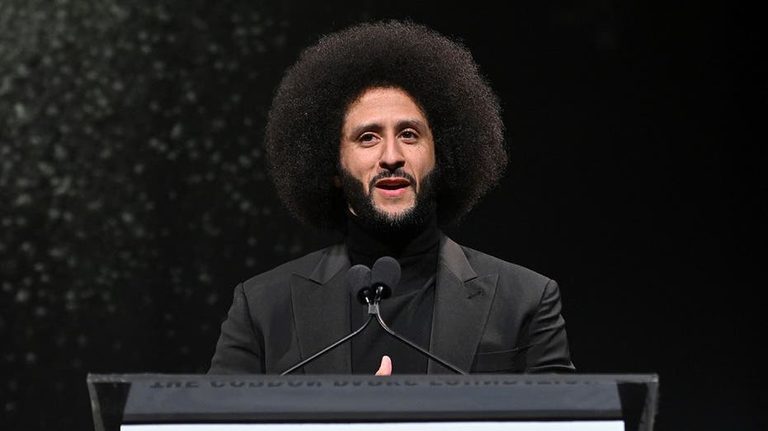
Former NFL quarterback Colin Kaepernick is set to release a memoir titled The Perilous Fight, in which he publicly revises his 2016 position on voting. At the time, Kaepernick told reporters he would not cast a ballot because he viewed the electoral system as an instrument of oppression. He said, “It would be hypocritical of me to vote… I’m not going to show support for that system.”
From Non‑Participation to Participation
In the new book, Kaepernick calls that decision “irresponsible” and reflects on the broader consequences of low voter turnout. He argues that the 2016 election demonstrated how abstaining can affect the composition of the Supreme Court and federal judiciary. “The realization coming out of the 2016 election is how significant the implications can be of not voting, even if you don’t fully think this candidate represents you,” he told NBC News.
Kaepernick says he ultimately voted for Democratic candidates Joe Biden and Kamala Harris in both the 2020 and 2024 presidential elections, marking a clear shift from his earlier stance.
Inspiration From a Young Mayor
When asked which current politicians inspire him, Kaepernick singled out New York City Mayor Zohran Mamdani, a 34‑year‑old socialist who took office in 2024. “When we talk about leaders that are moving the needle right now, I think we’re seeing real impact coming out of Mamdani,” Kaepernick said. He praised Mamdani’s focus on “prioritizing the people’s needs” and his commitment to accountability, noting that such leadership could motivate more citizens to engage in the political process.
“It is very refreshing for a lot of people to see someone in a political role saying, ‘I am prioritizing the people’s needs. I’m going to hold people accountable to that, and we are just going to execute and deliver on this over and over again,’” Kaepernick added.
Why This Matters
Kaepernick’s change of heart arrives at a time when voter participation remains a contentious issue across the United States. Advocacy groups on both sides of the aisle continue to urge citizens to vote, emphasizing that elections shape policy on everything from education to public safety. By acknowledging his past refusal and now endorsing participation, Kaepernick joins a growing list of public figures who have shifted toward encouraging civic engagement.
His endorsement of Mayor Mamdani also highlights a broader conversation about youthful leadership in major cities. While some critics label Mamdani’s policies as overly progressive, supporters argue that his focus on community needs and transparent governance offers a model for other municipalities seeking to rebuild trust after years of political polarization.
Looking Ahead
Readers can expect Kaepernick’s memoir to delve deeper into his evolution on voting, his experiences with the NFL’s alleged “blackballing,” and his broader views on social justice. The book may also spark further dialogue about the role of athletes and entertainers in political discourse, a topic that has divided opinion since Kaepernick’s 2016 protests.
As the 2028 election cycle approaches, Kaepernick’s newfound advocacy for voting could influence younger voters who look to cultural icons for guidance. Whether his shift will translate into measurable increases in turnout remains to be seen, but his public acknowledgment of past mistakes underscores the importance of participation in a democratic society.
Original reporting: Fox News (HLL/CB) — read the source article.