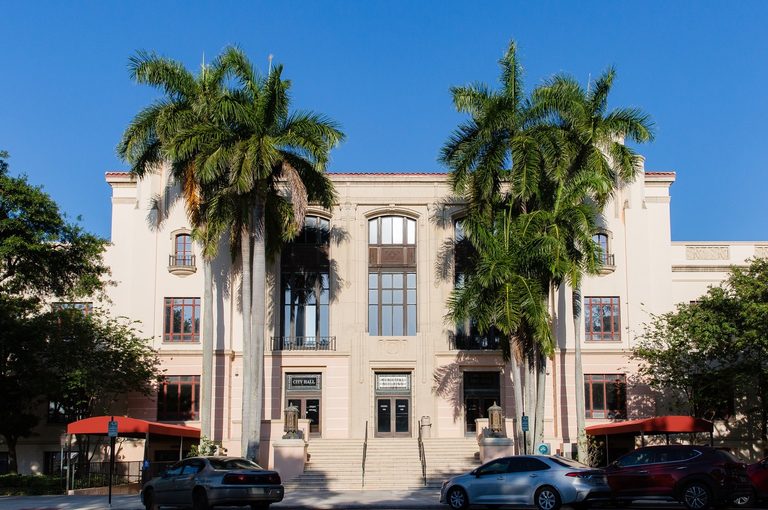
St. Petersburg residents will see the same property tax millage rate next year after the City Council voted Thursday to keep the rate at 6.4525 mills. The decision, approved by a 6‑2 vote, means the millage itself does not change, though rising property values could still increase the total tax bill for many homeowners.
How the millage works and where the money goes
One mill equals $1 of tax for every $1,000 of taxable property value. About 30% of a typical St. Petersburg homeowner’s property tax bill goes to the city, while the Pinellas County School District receives roughly 36%, the county government 22%, and the remaining 12% is allocated to other taxing authorities such as EMS, the Juvenile Welfare Board, and the Pinellas Suncoast Transit Authority.
For fiscal year 2026, the city collected $228.876 million in property tax revenue. The bulk of that money—$173.666 million—funds the Police Department, and $28.702 million supports Fire Rescue. An additional $26.508 million is earmarked for required tax‑increment financing transfers to Community Redevelopment Areas, with the rest covering other city services.
Mayoral candidates clash over tax cuts
Mayoral hopefuls Ken Welch and former Governor Charlie Crist are using the tax issue to differentiate their platforms. Crist has proposed cutting the city’s operating millage by 0.4 mills, a move he says would save residents roughly $14.8 million a year. He frames the proposal as “real money, real relief,” insisting that essential services—including police, fire, affordable housing, storm recovery, parks, libraries, and after‑school programs—could remain fully funded.
Welch counters that any reduction in the millage would force cuts to vital services. Speaking at a July forum hosted by the St. Petersburg Arts Alliance, he warned, “When someone talks about cutting property taxes, the first thing that will be cut will be the arts. Ask them specifically what they will cut.”
What the numbers mean for homeowners
At the current rate, a property with a taxable value of $300,000 generates about $1,936 in city property taxes each year. A 0.4‑mill reduction would lower that bill by roughly $120. For a $500,000 home, the savings would be about $200 annually.
Utility costs added to the conversation
In addition to the millage vote, the council recently approved rate increases for water, wastewater, reclaimed water, stormwater and sanitation services. Councilmember Richie Floyd argued that these utility costs should be considered together with property taxes, describing the combined charges as “one big bill from the city.” He suggested shifting some of the burden from utility customers—especially renters—onto property owners by reducing transfers from utility funds to the General Fund and relying more heavily on property tax revenue.
Broader fiscal context
Property taxes are a major source of operating revenue for St. Petersburg, but they are not the only one. Data from fiscal years 2024‑2025 show that all taxes combined generated $257.59 million, representing 49% of the General Fund. Transfers contributed another $69.01 million, while grants, public‑service taxes, intergovernmental revenue, service charges and other sources made up the remainder.
The council’s final vote on the millage is scheduled for September 17, giving residents and candidates a few more weeks to weigh the trade‑offs between tax relief and the funding of essential public‑safety and community services.
Original reporting: St. Pete Catalyst — read the source article.