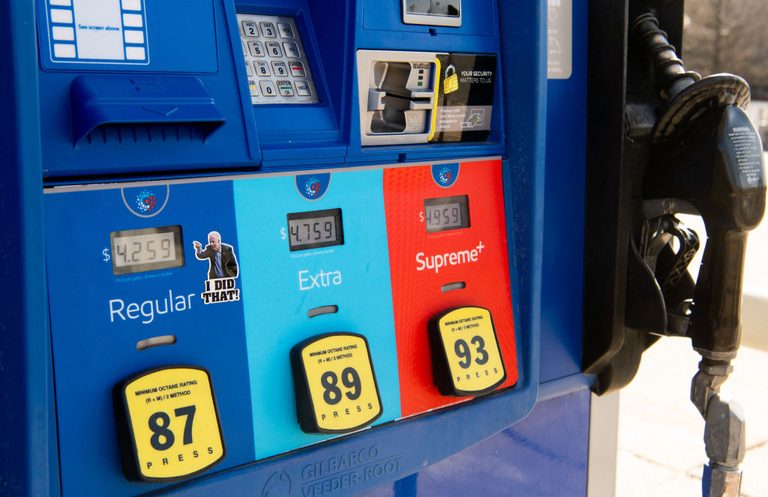
Drivers planning trips over the Labor Day weekend are confronting unprecedented fuel costs, according to the American Automobile Association (AAA). The national average for regular gasoline now sits at $4.14 per gallon, eclipsing the previous record of $3.82 set in 2012. In the District of Columbia, the price hovers around $4.20, while Maryland stations are just under $4.00 and Virginia pumps are roughly $3.93 per gallon.
Local impact on commuters and vacationers
Residents of the DMV region report that the spike is already reshaping holiday plans. Premium gasoline along Connecticut Avenue has topped $6 per gallon, prompting many families to consider staycations rather than long‑distance road trips. Others are scouring the area for stations offering lower rates, hoping to stretch every dollar of their travel budget.
Why prices are soaring
AAA attributes the surge primarily to higher crude‑oil prices and ongoing instability in the Strait of Hormuz, a vital shipping lane for global oil supplies. AAA spokesperson Morgan Dean explained, “When a driver goes out to the pump and fills up, about 50 percent of the price is directly tied to the cost of crude oil. As crude prices climb, pump prices follow suit.”
What the market may hold after Labor Day
Historically, gasoline prices dip after Labor Day as seasonal travel wanes, but AAA cautions that the current geopolitical climate makes timing of any relief uncertain. The organization advises motorists to plan ahead, compare prices at different stations, and consider alternative transportation when feasible.
Tips for keeping travel costs in check
- Use smartphone apps or websites that track real‑time gas prices in your area.
- Fill up early in the morning when demand is lower.
- Maintain proper tire pressure and keep your vehicle well‑tuned to improve fuel efficiency.
- Combine errands to reduce the number of trips you need to make.
- If possible, car‑pool or use public transit for shorter journeys.
While the price surge is a national phenomenon, its immediate effects are most palpable for commuters and families in the Washington, D.C., Maryland, and Virginia corridor. By staying informed and employing practical cost‑saving measures, drivers can mitigate the financial sting of this record‑high fuel market.
Original reporting: Arlington County | FOX 5 DC — read the source article.