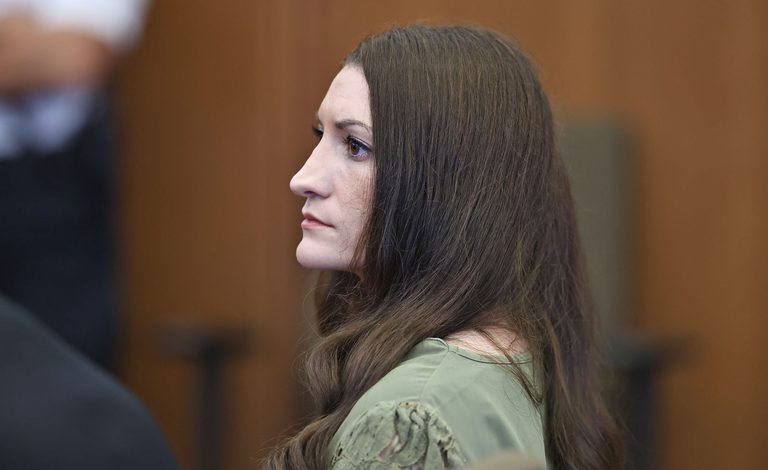
Boston — After a week of intense testimony, a Massachusetts judge formally declared a mistrial Friday in the case of former labor‑and‑delivery nurse Lindsay Clancy, who admitted killing her three young children. The decision came after the state’s highest court denied a last‑minute appeal by Clancy’s defense seeking to keep the jury from deadlocking.
Jurors deadlocked over a single juror’s bias claim
During the seventh day of deliberations, the jury could not move past an impasse. Defense attorney Kevin Reddington argued that one juror appeared biased against individuals dealing with mental illness, citing a possible conflict with the case’s focus on postpartum psychosis. The juror’s own notes, however, did not show any explicit bias, according to prosecutors.
Judge William F. Sullivan had been prepared to end deliberations without a verdict when the defense filed a petition for a higher‑court review. The Massachusetts Supreme Judicial Court considered the request and ultimately denied it, allowing the mistrial to stand.
Defense maintains mental‑health explanation
Clancy, 36, never disputed that she killed her children – the youngest was eight months old – but her attorneys maintain she was suffering from a rare condition known as postpartum psychosis at the time. They contend the psychotic break drove her actions, while prosecutors argue she understood her conduct and should be held criminally responsible.
Massachusetts defense attorney Joseph Perullo, not involved in the case, said the evidence of a psychotic break was “clear‑cut,” but acknowledged jurors might struggle with the legal standards of reasonable doubt.
Prosecutors weigh a second trial
Plymouth County District Attorney Timothy Cruz said the office has not yet decided whether to pursue a new trial. He noted the decision will consider the impact on the children’s father, Patrick Clancy, and the broader community.
Former prosecutor Crystal Lyons warned that a retrial would be “an even bigger circus,” adding that the tragedy of three young lives lost remains the central sorrow of the case.
What’s next?
The court’s declaration of a mistrial means the state can choose to retry Clancy or drop the charges. The decision will likely hinge on the district attorney’s assessment of the evidence, the community’s desire for closure, and the practical challenges of a second, high‑profile trial.
Original reporting: Alexandria, VA News – WTOP News — read the source article.