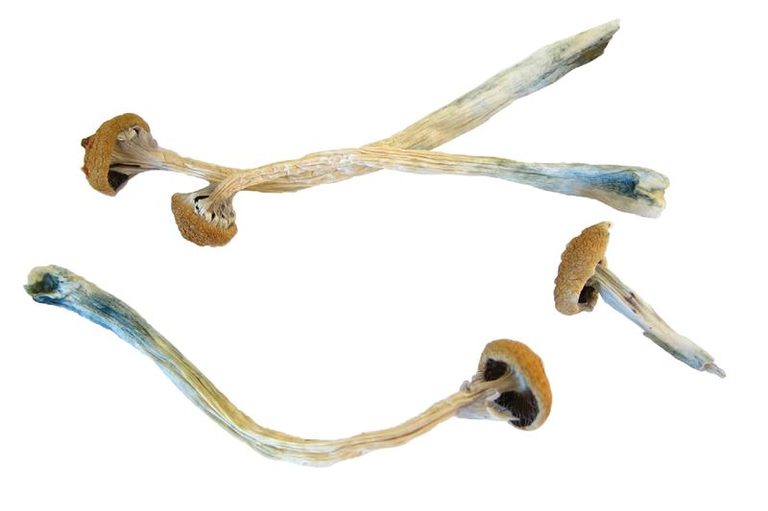
Researchers at the University of Texas MD Anderson Cancer Center have reported promising pre‑clinical results suggesting that psilocybin, a psychedelic drug, may prevent the nerve damage often caused by chemotherapy. In mouse models, two doses of psilocybin administered before chemotherapy reduced hypersensitivity to cold, preserved sensory nerve endings, and maintained normal touch sensation, all while leaving the treatment’s anti‑tumor activity unchanged.
How the drug works
Psilocybin appears to act on serotonin 5‑HT2A receptors located on peripheral nerve cells. Blocking these receptors eliminated the protective effect, while a non‑hallucinogenic compound that also activates 5‑HT2A reproduced the neuroprotective benefits. The study also found that psilocybin helped safeguard the mitochondria—the energy factories—of nerve cells from chemotherapy‑induced damage.
Implications for patients
Peripheral neuropathy from chemotherapy can cause lasting pain, numbness, and heightened cold sensitivity, often persisting long after treatment ends. “There is an urgent need for treatments that prevent nerve injury without interfering with lifesaving chemotherapy,” said study leader Dr. Moran Amit. The findings lay the groundwork for a forthcoming mid‑stage clinical trial that will evaluate psilocybin’s safety and efficacy in cancer patients across multiple tumor types.
Additional research highlighted
The same Health Rounds newsletter also covered new insights into Clostridioides difficile (C. diff) in infants. Although the bacterium rarely causes symptoms in babies, researchers discovered it can remodel the gut lining and immune system, potentially affecting long‑term health. The team hopes a maternal vaccine could protect newborns, similar to existing RSV and pertussis vaccines.
Both studies underscore the importance of early‑stage research in improving patient outcomes and guiding future clinical trials.
Original reporting: Appleton, WI News Feed (HLL/CB) — read the source article.