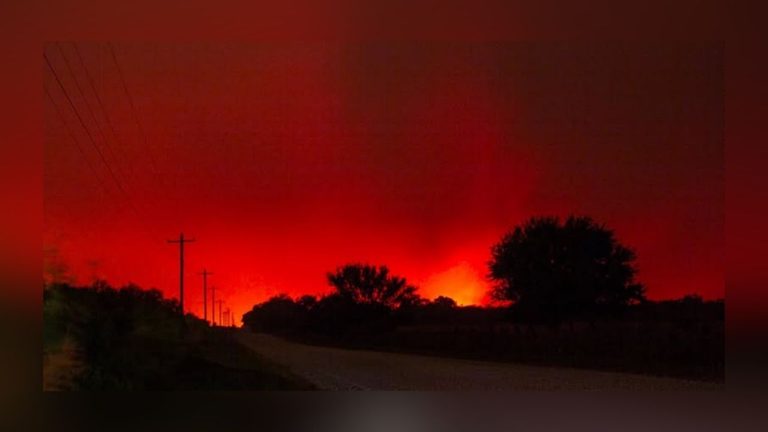
Texas A&M Forest Service investigators have confirmed that the Ross Fire, which burned more than 90,000 acres across Palo Pinto and Jack counties, was human‑caused and originated from equipment or vehicle use following a tire blowout. While the agency can state that a tire failure set the conditions for the fire, it has not identified the precise mechanism that turned a blown tire into a raging wildfire.
Investigation details
According to a statement released Thursday, the fire “originated from equipment or vehicle use associated with a roadside start.” The agency later clarified to FOX 4 that the cause was “human‑caused” and specifically linked to “equipment use associated with a tire blowout.” A Forest Service official initially suggested the blown tire itself sparked the fire, prompting the later, more cautious wording.
No driver or vehicle has been publicly identified, and no criminal charges have been announced at this time. The investigation remains open as officials continue to examine evidence from the scene.
Fire timeline and impact
The blaze ignited on August 24 along U.S. Highway 180 near Ross Watson Road in Palo Pinto County before spreading into neighboring Jack County. By Thursday, the Texas A&M Forest Service reported the fire was 38 % contained, with a total size of 90,400 acres.
A state damage assessment counted 157 structures destroyed, 140 damaged and 453 saved. The Ross Fire now ranks as the second‑largest wildfire ever recorded in North Texas.
Broader context
Texas officials note that nine out of ten wildfires in the state are human‑caused. Equipment use ranks as the second‑most common ignition source behind debris burning. The agency urged residents to avoid activities that could produce sparks while the region remains critically dry.
Governor Greg Abbott’s office has scheduled a site visit to assess damage and discuss future wildfire‑response strategies, underscoring the importance of preparedness and responsible land‑use practices.
What residents can do
Texans are encouraged to keep vehicles well‑maintained, especially tires, and to refrain from operating equipment that could generate sparks during periods of extreme fire danger. Local fire departments continue to monitor conditions and stand ready to respond to any new ignitions.
Original reporting: The Dallas Express — read the source article.