In a recent national survey conducted by U.S. News & World Report, 53 leading health experts identified a handful of time‑tested habits that can help Americans age longer and healthier. The findings, released this week, reinforce the idea that healthy aging is less about expensive bio‑hacks and more about everyday choices.
Core Daily Practices
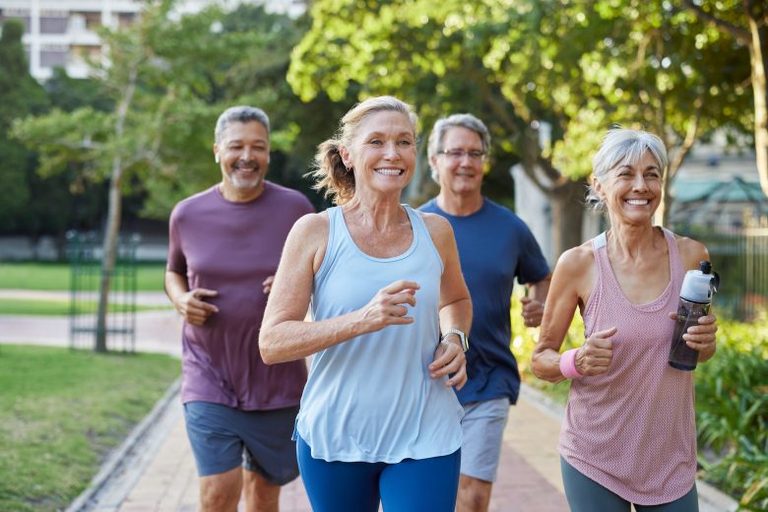
Physical activity, a nutritious diet and sufficient, restorative sleep topped the list of daily practices that experts said they prioritize for themselves and recommend to patients. “These simple habits of eating well and moving your body make a meaningful impact on how long and how well we live,” said Shanley Chien, senior health editor at U.S. News & World Report.
Social Connection Matters
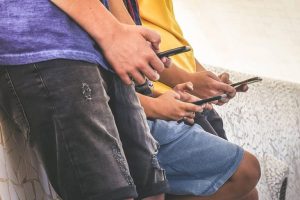
Nearly 60 % of the respondents highlighted social isolation as an under‑appreciated accelerator of biological aging. While isolation is often framed as a mental‑health issue, the experts stressed its direct link to physical health outcomes, including inflammation and immune function.
Emerging Trends: GLP‑1 Medications
When asked about the next major trend in healthy aging, 17 % of the experts pointed to GLP‑1 medications, a class of drugs originally developed for diabetes and weight management. About 52 % agreed that the cardiovascular benefits of these drugs outweigh potential long‑term risks, but 76 % warned that accelerated muscle loss could be a serious side effect if users do not stay proactive.
To counteract muscle loss, the experts recommend regular strength training and adequate protein intake. Maintaining muscle mass, they say, helps preserve mobility and independence in later years.
Supplements: The Simple Choice
When ranking the most useful dietary supplement, roughly 35 % of the panel chose a basic multivitamin. “A multivitamin acts as an insurance policy for nutritional gaps that can develop with age, chronic conditions or medication use,” Chien explained.
Technology and Functional Metrics
The survey also touched on the role of wearable technology. While smart watches can track steps and heart rate, the experts urged users to also monitor grip strength and VO₂ max. Grip strength, they noted, is a strong indicator of functional power for everyday tasks such as carrying groceries, rising from a chair, or preventing falls.
By incorporating these simple, evidence‑based habits—regular movement, wholesome nutrition, restorative sleep, social engagement, and occasional supplementation—Americans can improve both the length and quality of their lives without relying on costly, unproven bio‑hacks.
Original reporting: Alexandria, VA News – WTOP News — read the source article.