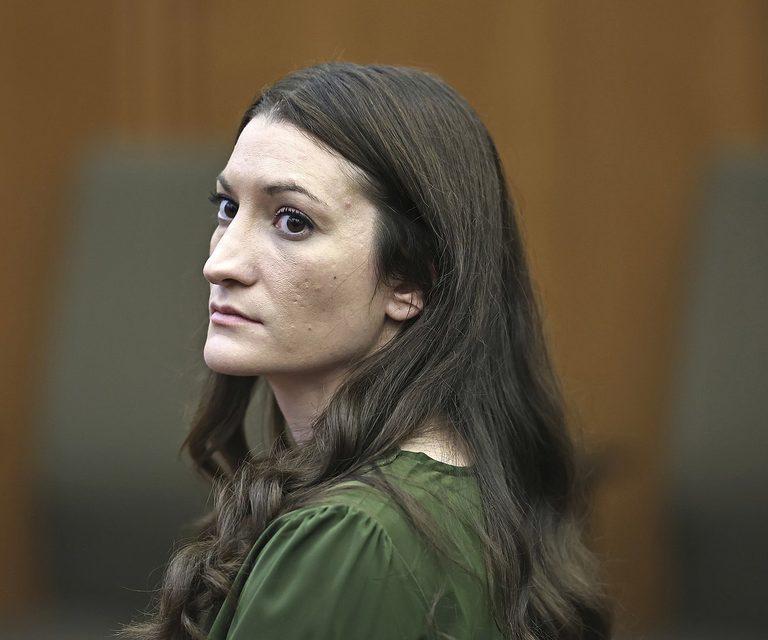
PLYMOUTH, Mass. – A jury in Plymouth County Superior Court resumed deliberations Monday, marking the third day of discussion in the high‑profile trial of former labor‑and‑delivery nurse Lindsay Clancy. The case centers on the 2023 deaths of her three children—Cora (5), Dawson (3) and infant Callan (8 months)—who were found strangled with exercise bands in the family’s Duxbury basement.
Trial Background and Charges
Clancy, 36, has pleaded not guilty by reason of lack of criminal responsibility. Prosecutors argue she acted with full awareness, describing the killings as a conscious decision driven by depression and a desire to end her own life. The defense maintains that Clancy suffered from postpartum psychosis, a rare but serious mental illness that can follow childbirth, and that she was not in control of her actions.
Over five weeks of testimony, jurors heard from more than 70 prosecution witnesses, including Clancy’s former husband, and ten defense witnesses. Medical experts for both sides debated whether Clancy’s psychiatric condition rendered her incapable of forming criminal intent.
Potential Outcomes
The jury may return a verdict of murder, the lesser charge of manslaughter, or an acquittal if they find she lacked culpability due to her mental‑health condition. A murder conviction could carry a life‑sentence, while a manslaughter finding would result in a lesser term. An acquittal might lead to release or confinement in a mental‑health facility, depending on the court’s assessment of her ongoing risk.
Community and Legal Implications
Clancy’s defense attorney, Kevin Reddington, said after Monday’s deliberations that the case could prompt a reevaluation of how women with postpartum psychiatric disorders are treated by the healthcare system. “It strikes a chord with many, many people. It strikes a chord with, I think, obviously, women because it’s atrocious,” he told reporters, referencing the challenges of virtual medical appointments during her treatment.
The trial has drawn national attention to maternal mental‑health resources, especially in rural and suburban communities where access to specialized care can be limited. Advocates argue that better screening and follow‑up care after childbirth could prevent tragedies like this.
Next Steps
The jury is scheduled to resume deliberations Tuesday. The court has not set a deadline for a final verdict, and the community remains attentive as the case unfolds.
Editor’s note: This story discusses suicide and mental‑health struggles. If you or someone you know needs help, the national suicide and crisis lifeline is available by calling or texting 988.
Original reporting: Texarkana Gazette — read the source article.