Google announced a $30 million commitment to water‑conservation initiatives across Oklahoma, responding to growing concerns that the state’s expanding data‑center industry could strain local water supplies.
Targeted projects
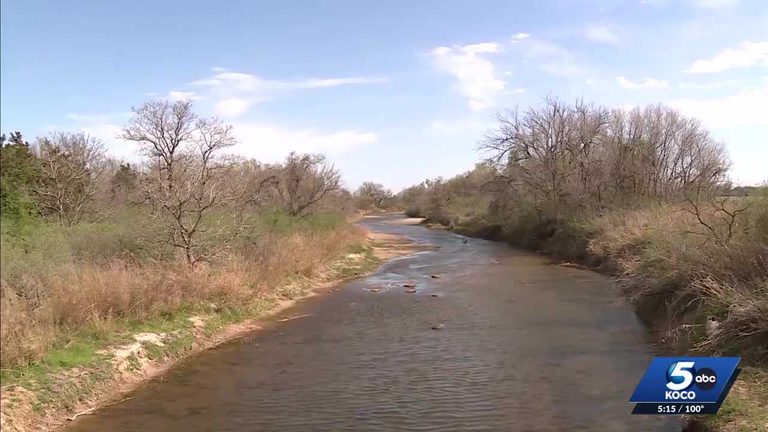
The investment will support several specific efforts. One major component is the removal of cedar trees, which absorb large quantities of soil moisture. According to Trey Lam, executive director of the Oklahoma Conservation Commission, each cedar can draw between 10 and 60 gallons of water per day. Google has allocated $1.5 million to clear roughly 2,000 acres of cedar along the Arkansas River.
Lam explained the “Terry Peach Project,” a research study that measures how much water returns to the soil, streams, springs and lakes when the trees are mechanically removed. Early results suggest the effort could restore about 50,000 gallons per acre, potentially saving an estimated 100 million gallons of water overall.
Aquifer protection in the panhandle
Another portion of the funding—nearly $800,000—will be directed to a panhandle project designed to conserve roughly 81 million gallons of water stored in the regional aquifer. Lam described the work as a chance to reduce water extraction while simultaneously recharging the underground supply.
Google’s own water use
Google’s data centers are significant water consumers. The company reports that its large Pryor facility used more than 1.1 billion gallons of water in a single year, a figure five times larger than the projected savings from the new conservation projects. To address its own footprint, Google says it is upgrading cooling systems for greater efficiency and exploring alternative water sources.
Future commitments
Google indicated that additional Oklahoma projects will receive portions of the $30 million over the next few years, though details remain pending. The company’s involvement comes amid local debates about water availability for both industry and residents, highlighting the need for collaborative solutions that protect natural resources while supporting economic growth.
Local officials and community leaders have welcomed the investment, noting that the partnership between a major technology firm and state conservation agencies could serve as a model for responsible development in other water‑sensitive regions.
Original reporting: Oklahoma City News Feed (HLL/CB) — read the source article.