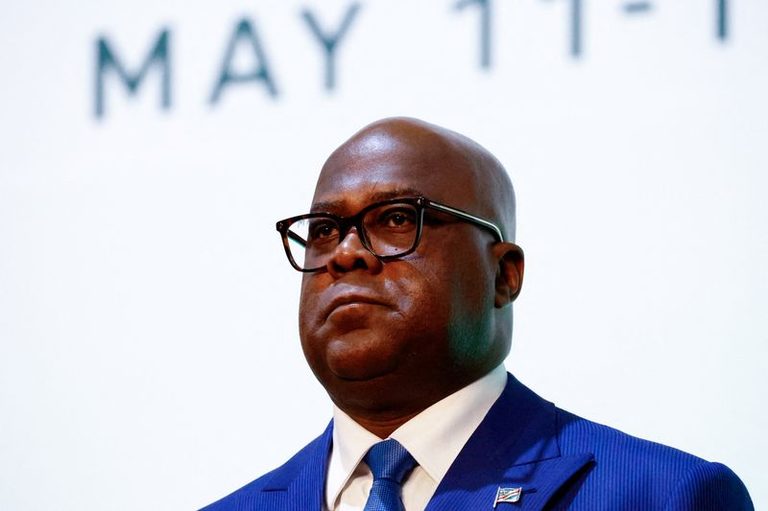
In a televised address from Kinshasa, Democratic Republic of Congo President Felix Tshisekedi outlined a new national dialogue aimed at calming rising political tensions surrounding a controversial constitutional‑change bill. The process will begin with consultations in all 26 provinces before culminating in a series of talks in the capital.
Who will take part
The president said the dialogue will bring together political parties, civil‑society organizations, religious leaders, traditional authorities, business representatives, academics, youth and women’s groups, as well as members of the Congolese diaspora. By design, armed groups and entities acting on behalf of foreign powers are excluded. Tshisekedi specifically ruled out participation by the Rwanda‑backed AFC/M23 rebels, who control large areas of eastern Congo.
Timeline and scope
Details on dates and conditions will be released later, but the president stressed the entire process will not exceed three months. The initiative comes as the country grapples with a bill passed in June that would allow constitutional amendments to be submitted to a national referendum, a move critics fear could pave the way for Tshisekedi to seek a third term.
Political backdrop
Congo’s constitution limits presidents to two five‑year terms. Tshisekedi was first elected in 2018 and re‑elected in 2023, with his current term set to end in 2028. Supporters of the president have openly called for constitutional reforms that would permit him to run again, while opponents—including the powerful Catholic Church and opposition parties—have condemned the proposal.
In June, an opposition protest was violently dispersed, underscoring the fragile security situation in the eastern part of the country. Rebel groups and supporters of former President Joseph Kabila have called for an inclusive dialogue that would allow them to participate.
Health and security context
The dialogue will unfold against a backdrop of ongoing security challenges in the east and a fast‑spreading Ebola outbreak that continues to strain public‑health resources.
By inviting a broad cross‑section of Congolese society while excluding armed factions, the administration hopes to demonstrate a commitment to constitutional order, religious liberty, and the rule of law—principles that align with the nation’s foundational values.
Original reporting: Appleton, WI News Feed (HLL/CB) — read the source article.