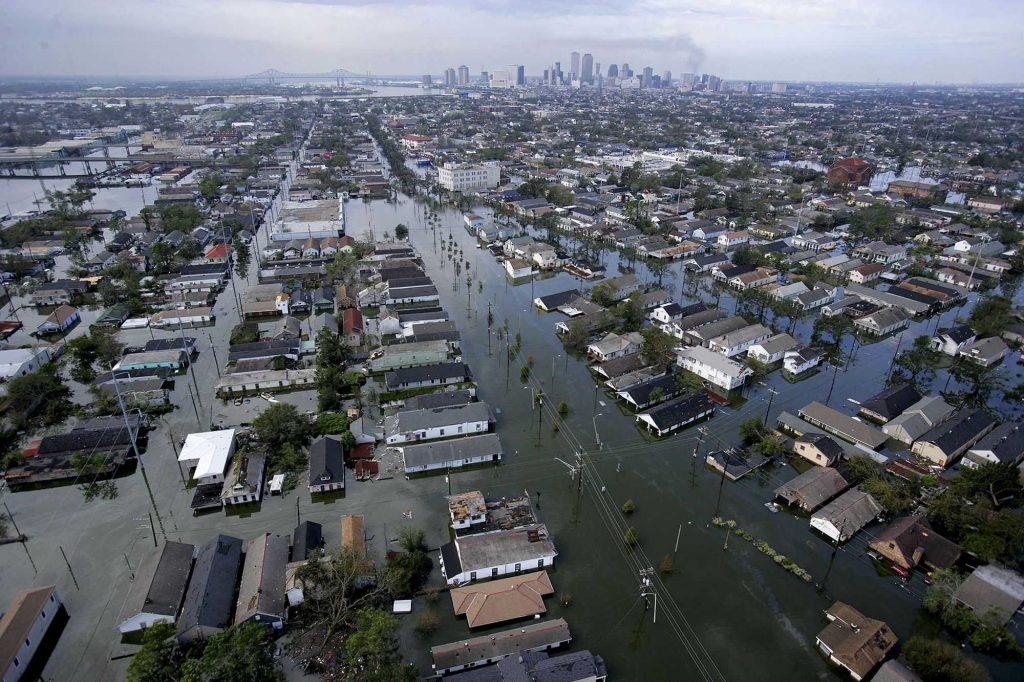
New Orleans, a city deeply rooted in American culture and history, is facing an existential threat from rising sea levels. According to a recent analysis published in Nature Sustainability, the city could be surrounded by ocean by the end of this century if proactive measures are not taken. The study emphasizes the urgent need for relocation planning to prevent chaos and protect the community.
Coastal Vulnerability
Located in a low-lying basin, New Orleans is particularly susceptible to the impacts of climate change. The city is surrounded by wetlands that serve as natural buffers against hurricanes and storm surges. However, these wetlands are rapidly disappearing due to human activities such as development and canal dredging for the oil and gas industry. Since the 1930s, Louisiana has lost approximately 2,000 square miles of wetlands.
The analysis predicts a sea level rise of 10 to 23 feet, which could lead to the loss of 75% of the remaining wetlands and a shoreline retreat of up to 62 miles. This grim outlook has prompted scientists to call for strategic relocation efforts to safeguard the city’s future.
Lessons from the Past
The study draws parallels with past geological events, noting an ancient shoreline 30 miles north of New Orleans that formed when sea levels were higher. This historical perspective underscores the inevitability of rising seas and the need for timely action.
Since Hurricane Katrina in 2005, New Orleans has experienced a significant population decline, with many residents leaving after each major storm. The city’s high flood risk further exacerbates the challenges faced by its inhabitants.
Planning for the Future
While the idea of relocating New Orleans is daunting, experts believe it presents an opportunity for sustainable development and coastal restoration. However, concerns remain about the potential cultural and community impacts of such a move, particularly for long-standing residents and minority communities.
Efforts to protect the region, such as a sediment diversion project, have faced setbacks, including a recent cancellation by Louisiana’s governor due to cost concerns. This decision highlights the complex interplay between environmental needs and economic considerations.
As New Orleans grapples with these challenges, the situation serves as a cautionary tale for other coastal communities worldwide. The city’s response to rising seas could set a precedent for sustainable urban planning in the face of climate change.
Original reporting: 40/29 / KHBS (NW Arkansas) — read the source article.