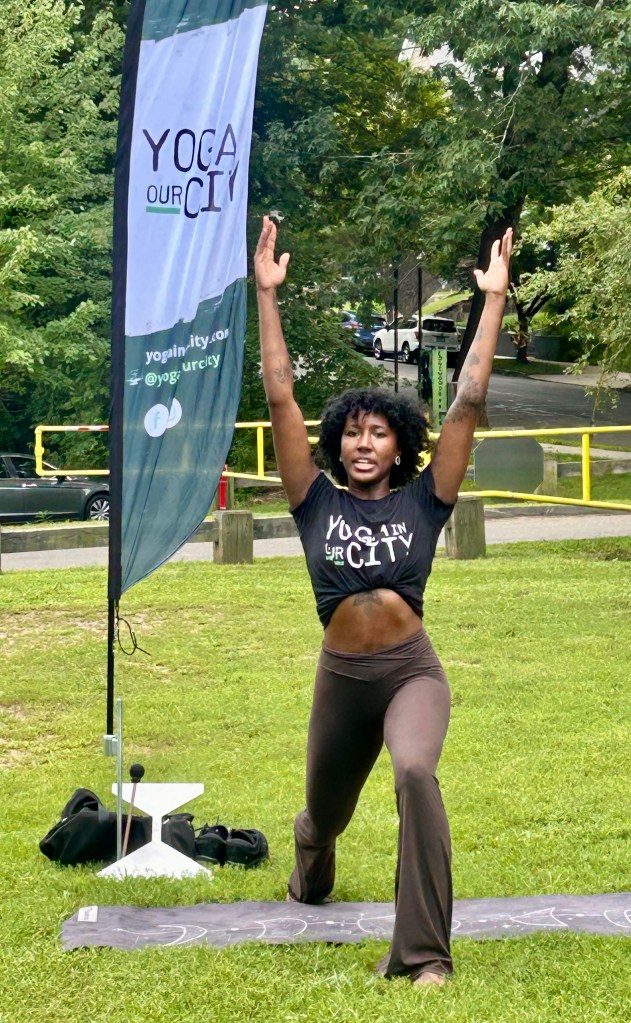
New Haven residents are gathering under the gazebo at Edgewood Park for a free yoga session that blends outdoor scenery with gentle movement. The class, part of the Yoga In Our City program, welcomes participants of all shapes, sizes, and walks of life, and no registration or strict start times are required.
Program roots and expansion
The initiative began in 2012 when founder Thomas Clynch, then operating a yoga studio in Hartford, offered a complimentary class in Bushnell Park to attract new clients. “We saw 70 people show up,” Clynch recalled, noting that the turnout far exceeded his studio’s regular attendance. Recognizing the power of moving yoga from a luxury commodity to a community service, Clynch partnered with the City of Hartford and health insurer ConnectiCare to secure funding.
Supported by that early success, the program has spread to other Connecticut cities, including Bridgeport, Waterbury and New Haven. Classes run from late May through October in Edgewood, Scantlebury and East Rock parks.
Community impact
“It peaked during the pandemic,” said Yizza Galdamez, Yoga In Our City’s managing director and bilingual instructor. With many indoor studios closed, residents turned to outdoor wellness activities. Galdamez, a Hartford native raised by first‑generation Salvadoran immigrants, describes yoga as a form of self‑care that was once foreign to her family’s “push, push, push” work ethic.
After discovering yoga a decade ago, she pursued teacher training to create inclusive spaces for people of diverse backgrounds, abilities and body types. Today she helps organize bilingual classes and eliminates barriers such as registration fees and rigid schedules, acknowledging that participants may only have a brief window after work or may need to bring a child.
Class experience
During Tuesday’s Edgewood session, instructor Zechara Golden, a graduate of the program’s “Happy Warrior” trauma‑sensitive teacher training, guided the group through stretches while the sounds of rustling leaves, distant sirens and a basketball court blended into the backdrop. Participants praised the outdoor setting over traditional gym environments.
“We usually go to the gym, and this is so much nicer than being in a gym,” said Megan Fitzsimmons, a Westville regular. Fellow attendee Alyssa Pudill added, “It makes you feel so good, so relaxed.” Yale School of Medicine researcher Vince Schultz, a longtime attendee, noted, “It’s a nice way to end the day, being outside and in a beautiful place.”
Personal stories
Timothy Smith, who joined the class for the first time after a car accident left him with a stiff neck, expressed tentative optimism. “I’ll try,” he said when asked if he would return. Golden encouraged him, replying, “See you next week?” The program’s open‑ended invitation reflects its mission to provide ongoing, accessible wellness opportunities through October.
Beyond physical benefits, participants report a sense of belonging and support. Galdamez emphasizes that misconceptions—such as the belief that yoga requires extreme flexibility, a thin body, or special clothing—can deter Latino community members. By offering bilingual instruction and a welcoming atmosphere, the program seeks to break down those barriers.
Looking ahead
With continued municipal and private support, Yoga In Our City aims to maintain its free‑class schedule through the fall and explore additional park locations. The program illustrates how simple, low‑cost wellness initiatives can foster healthier, more connected neighborhoods while honoring the values of family, faith and individual liberty.
Original reporting: New Haven Independent — read the source article.