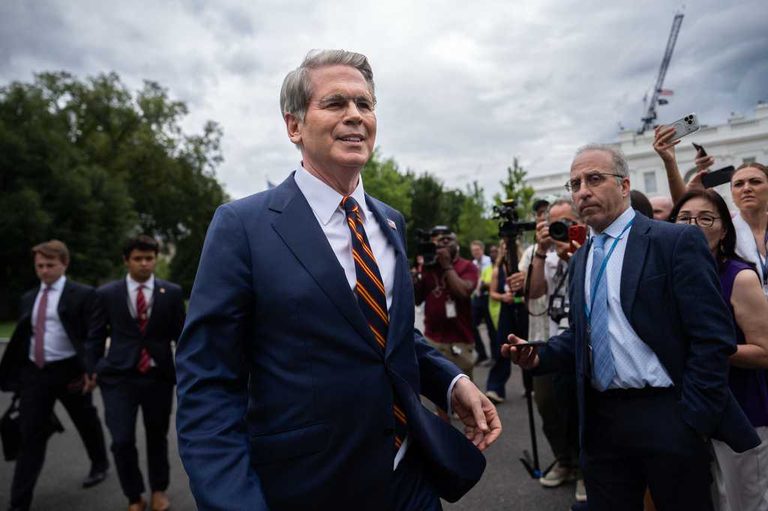
The Trump administration is set to roll out a new phase of economic pressure against Iran on Monday, following President Donald Trump’s recent declaration of an “Economic D‑Day.” Treasury Secretary Scott Bessent told CNBC that the upcoming measures will focus on cutting off the lifelines that foreign businesses, financial institutions, and other entities provide to Tehran.
What the plan aims to stop
In a post on Truth Social, President Trump listed the activities he wants to end immediately: oil smuggling, swap lines, cash transfers, exchange houses, ship registries, and front companies. He warned that those who continue to support Iran’s economy “need to stop now” and hinted that the administration knows who is involved.
Potential targets and diplomatic implications
The specifics of the sanctions package have not been released, and it remains unclear whether the United States will directly target China, one of Iran’s primary economic partners. Such a move could raise tensions ahead of a high‑profile meeting between President Trump and Chinese President Xi Jinping scheduled for next month.
When asked by CNBC about possible action against the Chinese government, Bessent declined to comment, noting that “many conversations are best to have in private.” He framed the upcoming announcement as a shift toward economic warfare rather than a step toward full‑scale military conflict, describing it as a “one‑two punch” that combines the existing naval blockade with what he called the toughest sanctions in history.
Critics and past effectiveness
Critics have long questioned whether sanctions can compel Iran to change its behavior, pointing to decades of restrictive measures that have not prevented Tehran’s nuclear and regional activities. Bessent responded to those doubts by citing reports that demonstrate the effectiveness of a combined blockade and sanctions strategy.
Iran’s response
Iran’s currency hit a record low ahead of the announcement, but Tehran showed no sign of backing down over the weekend. The head of Iran’s top security body warned that any country supporting the new U.S. measures would be seen as committing an “act of war,” underscoring the heightened rhetoric surrounding the Strait of Hormuz, a critical oil shipping lane.
What this means for U.S. businesses
U.S. companies with exposure to Iran or its partners are being urged to review their compliance programs and ensure they are not inadvertently facilitating prohibited transactions. The Treasury’s Office of Foreign Assets Control (OFAC) is expected to issue detailed guidance alongside the sanctions rollout.
As the United States intensifies its economic campaign, the coming days will reveal how the new measures affect Iran’s ability to fund its regional activities and whether they prompt any diplomatic breakthroughs or further escalation.
Original reporting: KOAT Albuquerque — read the source article.