There is a moment, maybe thirty seconds after you walk through the front doors of the San Diego Air and Space Museum, when you stop mid-stride and just look up. Hanging overhead is a full-scale replica of Charles Lindbergh’s Spirit of St. Louis — the actual airplane design that crossed the Atlantic in 1927 — and it is suspended there so naturally, so confidently, that the rest of the world outside Balboa Park’s Spanish Colonial buildings seems to recede entirely. That is the moment this museum earns you as a visitor. It never really lets go.
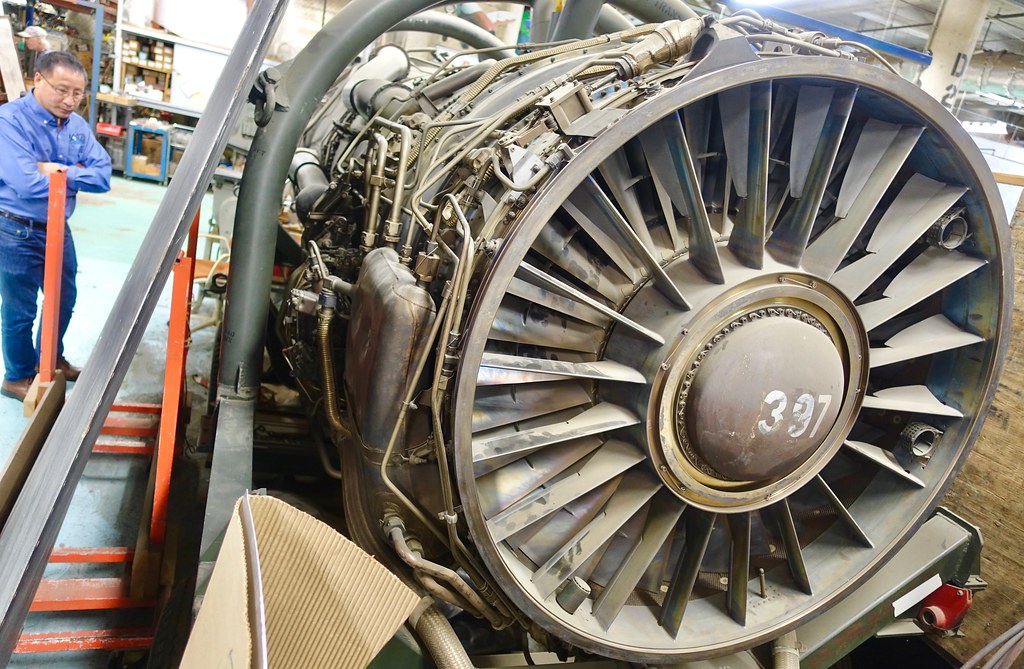
Tucked into the southern end of Balboa Park in a stunning 1935 Ford Building — a circular Art Deco structure that was itself restored after a devastating 1978 fire — the San Diego Air and Space Museum holds one of the most significant aviation and space collections in the entire country. That is not boosterism. The Smithsonian recognizes it as an affiliate. More than 68 aircraft and spacecraft fill the rotunda and surrounding galleries, ranging from a genuine Curtiss biplane to an Apollo 9 command module that actually flew around the Earth. You can stand close enough to read the scorched heat shield, and that detail alone is worth the admission price.
What makes this place genuinely special, beyond the hardware, is how the curators have woven human stories through every exhibit. The International Aerospace Hall of Fame is installed right here, so photographs and personal artifacts belonging to legends like Amelia Earhart, Neil Armstrong, and San Diego’s own aviation pioneer T. Claude Ryan line the walls. Ryan built the Spirit of St. Louis right here in San Diego, a fact the museum makes certain you appreciate — and one that gives the whole experience a satisfying local dimension that most visitors do not expect.
The space gallery manages the impressive trick of making the cosmos feel both enormous and deeply personal. A recreation of a lunar rover, moon rock samples, and mission-worn spacesuits remind you that these artifacts belong to human beings who ate breakfast and had bad days and still strapped themselves into rockets. Children tend to go very quiet in front of these cases, which is, in its own way, the highest compliment a museum can receive.
Plan to spend at least two hours, though three is better if you read the interpretive panels — and you should, because the writing is genuinely good. The museum also runs an IMAX-style theater with rotating aviation and space films that round out the visit beautifully. Parking along Park Boulevard is usually manageable on weekday mornings, and Balboa Park’s central plaza restaurants are a short walk for lunch afterward.
Admission runs around eighteen dollars for adults, with reduced rates for children, seniors, and military personnel — a category this museum honors with particular care, given San Diego’s deep ties to naval and aerospace history. Membership pays for itself quickly if you have kids who want to return, and they will want to return.
San Diego is a city that shaped aviation history in ways most people have never been taught. The San Diego Air and Space Museum makes that story impossible to forget, and it does so with elegance, rigor, and just enough wonder to remind you why human beings ever looked at the sky and thought: what if.