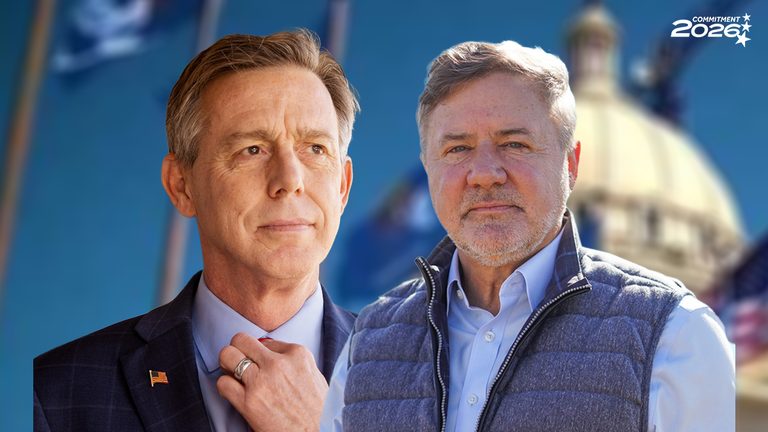
At a recent gathering in Oklahoma City, the leading Republican candidates for the 2026 gubernatorial race laid out their approaches to repairing the strained relationship between the state government and the nation’s tribal communities. The discussion comes amid ongoing criticism of Governor Kevin Stitt’s “One Oklahoma” agenda, which tribal leaders say has challenged tribal sovereignty.
Chiefs call for a new partnership
Principal Chief Chuck Hoskin Jr. of the Cherokee Nation described Governor Stitt as “the most anti‑tribe governor in the state’s history.” Chief David Hill of the Muscogee (Creek) Nation echoed the sentiment, saying the tribe looks forward to a future governor who is willing to work collaboratively with tribal nations.
Both chiefs referenced comments Stitt made earlier this year, asserting that all laws should apply equally to every Oklahoman, regardless of tribal affiliation. The remarks have heightened calls for candidates to demonstrate concrete steps toward partnership.
Attorney General Gentner Drummond’s record
Attorney General Gentner Drummond, a Republican candidate for governor, highlighted his three‑and‑a‑half‑year tenure as the state’s chief legal officer. He said his first priority was to meet with tribal leaders and establish “remarkable partnerships” for law‑enforcement cooperation. Drummond also mentioned ongoing discussions about an agreement that could keep more tribal defendants in local facilities, though he did not release details of the proposal.
Mike Mazzei emphasizes economic opportunity
U.S. Representative Mike Mazzei, another GOP contender, framed the 39 tribal nations as “the crown jewel of Oklahoma,” noting the potential for joint economic growth and job creation. He praised Choctaw Nation Chief Gary Batton for embodying the tribe’s motto of faith, family, and culture, and expressed confidence that “winning solutions” could be found despite “complex issues.”
No tribal nation has formally endorsed any candidate at this stage, leaving the electorate to weigh each candidate’s stated commitments against the backdrop of recent tensions.
What voters should consider
Voters in the upcoming primary will need to assess how each candidate plans to balance state authority with tribal sovereignty, a constitutional question that touches on both the First Amendment’s protection of religious and cultural expression and the Tenth Amendment’s allocation of powers to states and tribal governments. The candidates’ proposals range from continued dialogue and joint law‑enforcement initiatives to potential legislative reforms that could affect tribal jurisdiction.
As the campaign progresses, tribal leaders have indicated they will monitor candidates’ actions closely and expect concrete policy proposals, not just rhetoric, before offering any endorsement.
Original reporting: Oklahoma City News Feed (HLL/CB) — read the source article.